Loading…
← All schools
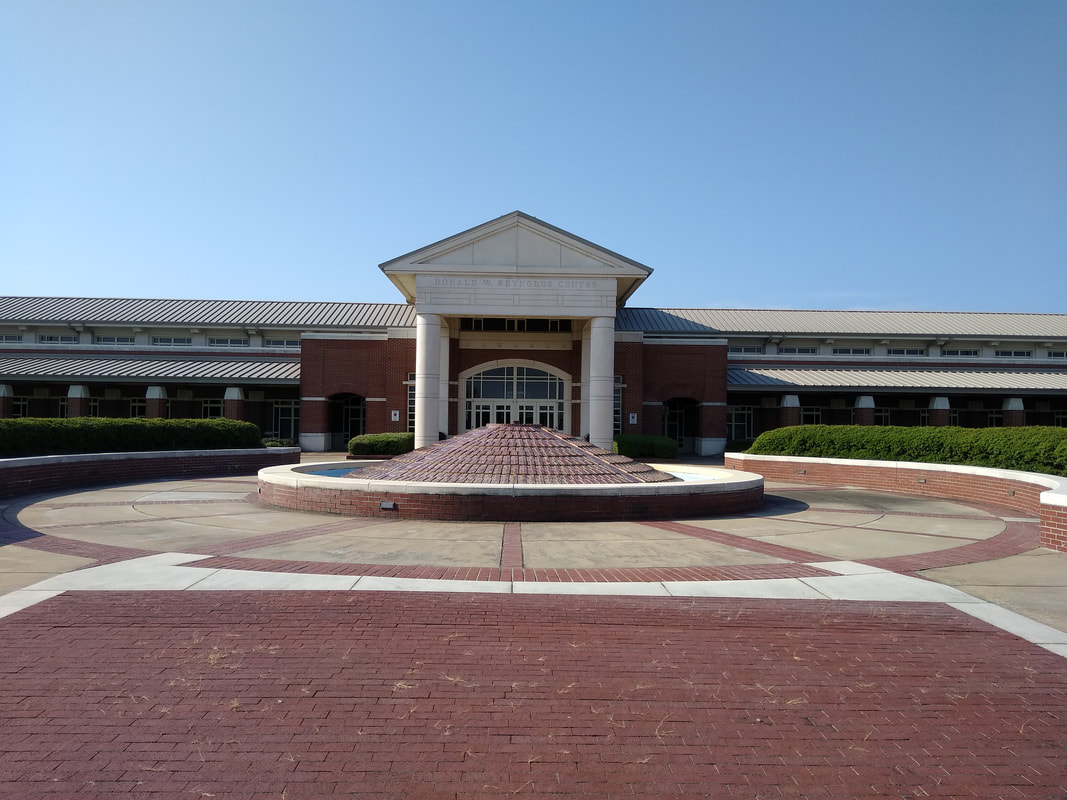
Arkansas State University Mid-South
West Memphis, ARpublicwww.asumidsouth.edu/
- Undergrad enrollment
- 502
- Net priceWhat a family actually pays after grants and scholarships are subtracted from the sticker price — usually far less than the published cost.
- $5,427
- In-state tuition
- $3,216
- Out-of-state tuition
- $4,824
- Acceptance Rate
- 100%
- In-State Tuition
- $2,688
- Average Aid Package
- $7,458
- Minority Enrollment
- 69%
- Out-of-State Tuition
- $3,648
- Part-Time Enrollment
- 81%
- Median Earnings (1yr)
- $37,258
- Student-Faculty Ratio
- 9:1 (per U.S. News) / 18:1 (per Facebook)
- Highest Degree Offered
- Associate
- Financial Aid Recipients
- 96%
Quick answers
- How much does Arkansas State University Mid-South cost?
- At Arkansas State University Mid-South, the average net price (after aid) is about $5,427 per year. Actual cost varies with financial aid and residency.
- How many undergraduates attend Arkansas State University Mid-South?
- Arkansas State University Mid-South enrolls approximately 502 undergraduate students.
- Where is Arkansas State University Mid-South located?
- Arkansas State University Mid-South is located in West Memphis, AR.
Arkansas State University Mid-South is a no-frills, open-access community college in West Memphis with a singular focus on workforce readiness and affordability. With a 100% acceptance rate and a student body that’s 69% minority, it serves as a critical pipeline for local students seeking associate degrees or vocational training—often while balancing jobs and family obligations. The school’s 18:1 student-faculty ratio and $2,688 in-state tuition reflect its mission: practical education without pretension.
Admissions
ASU Mid-South operates on an open admissions policy, accepting 100% of applicants—1,045 applied and 1,045 were admitted in the most recent cycle, with 1,022 enrolling. The process is straightforward: submit an official high school transcript (or GED) and immunization records. Notably, ACT/SAT scores are not required but can be submitted for placement purposes. The student body is heavily part-time (81% of enrollees), reflecting the college’s role as a flexible option for working adults and First-generation (first-gen)A student who would be the first in their immediate family to earn a four-year college degree. Many colleges consider this in context. students. Minority students make up 69% of enrollment, underscoring the school’s accessibility to underrepresented populations.
Sources
- Common Data Set - Arkansas State University
- [PDF] Common Data Set 2024-2025 - Arkansas State University
- Common Data Set: Home
- Common Data Set | The University of the South - Sewanee
- Common Data Set - Office of Strategic Analytics & Insights
- Arkansas State University-Newport - DFR Report HTML
- Arkansas State University Mid-South - Niche
- Arkansas State University Mid-South - Tuition and Acceptance Rate
- Get Started - Arkansas State University Mid-South
- Arkansas State University Mid-South - Community College Review