Loading…
← All schools
Design Institute of San Diego
San Diego, CAprivate forprofitwww.disd.edu/
- Acceptance rateThe share of applicants a college admits in a given year. A 10% acceptance rate means it admits about 1 in 10 applicants.
- 100%
- Undergrad enrollment
- 77
- Net priceWhat a family actually pays after grants and scholarships are subtracted from the sticker price — usually far less than the published cost.
- $44,010
- In-state tuition
- $29,300
- Out-of-state tuition
- $29,300
- Campus Vibe
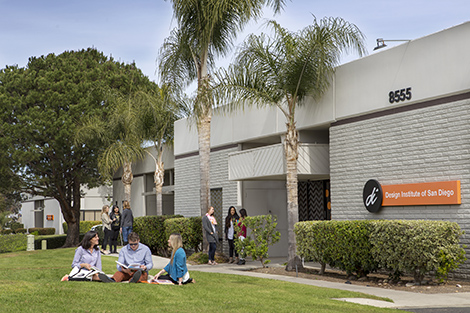
- Studio-focused, collaborative, intimate
- Acceptance Rate
- 87.5-100%
- Specializations
- Interior Design, UX/UI, Product Design
- Net Price After Aid
- $27,693
- Notable Accreditation
- CIDA (Interior Design)
- 4-Year Graduation Rate
- 50%
- Job Placement Rate (2022)
- 70% within 6 months
- Average Financial Aid Package
- $9,655
Quick answers
- What is the acceptance rate at Design Institute of San Diego?
- Design Institute of San Diego's acceptance rate is approximately 100% (San Diego, CA), based on the most recent figures we compiled from public and primary sources.
- How much does Design Institute of San Diego cost?
- At Design Institute of San Diego, the average net price (after aid) is about $44,010 per year. Actual cost varies with financial aid and residency.
- How many undergraduates attend Design Institute of San Diego?
- Design Institute of San Diego enrolls approximately 77 undergraduate students.
- Where is Design Institute of San Diego located?
- Design Institute of San Diego is located in San Diego, CA.
Design Institute of San Diego is a small, hands-on design school where creativity thrives in intimate studio settings. With acceptance rates hovering between 87-100%, DI attracts students who want personalized attention and a career-focused education in interior, UX/UI, and product design. The institute’s project-based curriculum and strong industry ties prepare graduates for immediate entry into design fields, with 70% landing jobs within six months.
Admissions
Getting into Design Institute of San Diego is notably accessible, with Acceptance rateThe share of applicants a college admits in a given year. A 10% acceptance rate means it admits about 1 in 10 applicants. ranging from 87.5% to 100% across sources—making it one of the least selective design schools in California. Unlike many art schools, DI doesn’t emphasize standardized test scores (SAT/ACT ranges are not reported), focusing instead on portfolios and creative potential. The lack of rigid GPA cutoffs suggests a Holistic admissionsA review that weighs the whole applicant — grades, essays, activities, and context — rather than relying on test scores and GPA alone. process, though applicants should still demonstrate artistic aptitude. Transfer students are welcome, though specific transfer admission stats aren’t detailed in the available data.
Sources
- Common Data Set - Institutional Research
- Common Data Set: Home
- [PDF] 2025-2026 Common Data Set - University of San Diego
- Common Data Set Repository - College Transitions
- What is the Common Data Set? | College Raptor
- [PDF] Common Data Set 2021-2022 - Colorado Department of Education
- Design Institute of San Diego Admission Requirements - PrepScholar
- Design Institute of San Diego Admissions - BigFuture College Search
- Design Institute of San Diego - Niche
- Design Institute of San Diego Admissions - US News Best Colleges