Loading…
← All schools
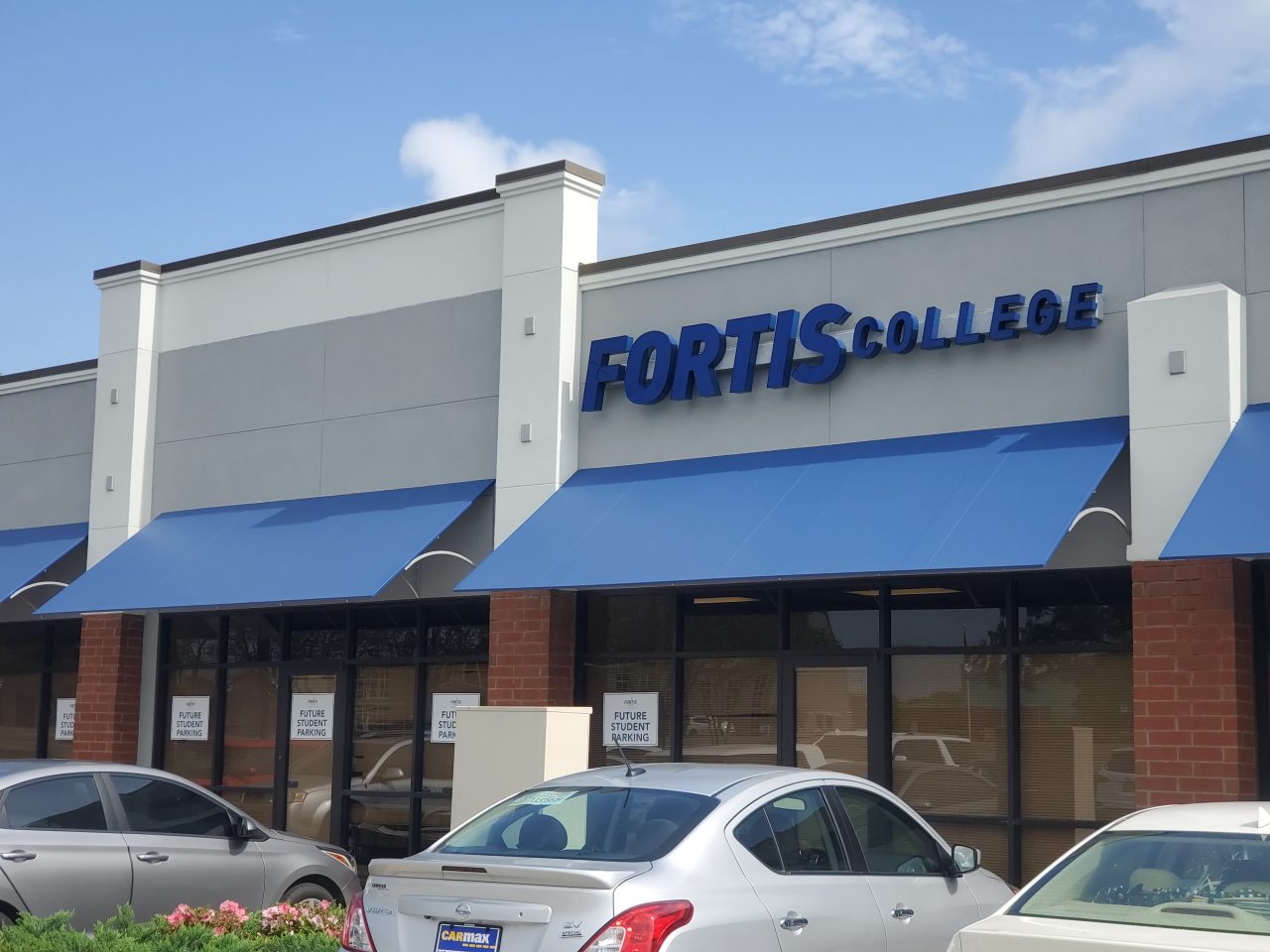
Fortis College-Baton Rouge
Baton Rouge, LAprivate forprofitwww.fortis.edu/
- Undergrad enrollment
- 482
- Net priceWhat a family actually pays after grants and scholarships are subtracted from the sticker price — usually far less than the published cost.
- $25,781
- In-state tuition
- $16,467
- Out-of-state tuition
- $16,467
- Top Program
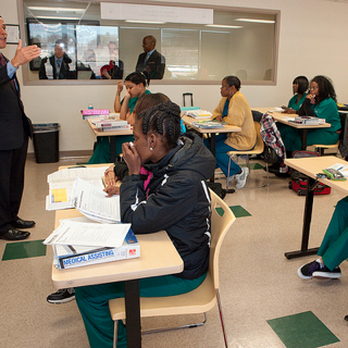
- Allied Health and Medical Assisting Services
- Acceptance Rate
- Open admissions (sources vary: 72%-100%)
- Graduation Rate
- 46-50%
- Total Undergraduates
- ~500
- Median Earnings (1yr)
- $23,000-$33,361
- Median Earnings (5yr)
- $37,327
- Student-Faculty Ratio
- 21:1 to 31:1
- Average First-Year Aid
- $6,573
- Highest Degree Offered
- Associate
- Financial Aid Recipients
- 100%
Quick answers
- How much does Fortis College-Baton Rouge cost?
- At Fortis College-Baton Rouge, the average net price (after aid) is about $25,781 per year. Actual cost varies with financial aid and residency.
- How many undergraduates attend Fortis College-Baton Rouge?
- Fortis College-Baton Rouge enrolls approximately 482 undergraduate students.
- Where is Fortis College-Baton Rouge located?
- Fortis College-Baton Rouge is located in Baton Rouge, LA.
Fortis College-Baton Rouge is a career-focused, open-admission institution where nearly every applicant gets in—but only half make it to graduation. With a scrappy, no-frills approach, it trains students in practical healthcare and trade skills, though early-career earnings lag behind national averages. This is a school for those who want a fast, affordable credential—not a traditional college experience.
Admissions
Fortis College-Baton Rouge has an open admissions policy, meaning virtually all applicants are accepted—though sources disagree on the exact rate (Niche claims 100%, Community College Review says 72%, and US News confirms the open policy). The school doesn't appear to consider demonstrated interest or early decision applications, focusing instead on accessibility for career-changers and recent high school graduates seeking vocational training. With about 500 undergraduate students, the campus maintains an intimate scale, though retention is a challenge—only 50% of first-time, full-time students complete their programs within the expected timeframe.
Sources
- Common Data Set - LSU
- Common Data Set: Home
- The Common Data Set: What It Is & How to Use It In College ...
- What is the Common Data Set? | College Raptor
- Common Data Set (CDS) | Institutional Research
- Common Data Set - Data, Analytics & Institutional Research
- Fortis College - Baton Rouge - Niche
- Fortis College, Baton Rouge - Tuition and Acceptance Rate
- Fortis College Baton Rouge Admissions - BigFuture
- Fortis College-Baton Rouge
- Fortis College-Baton Rouge - Education - U.S. News & World Report