Loading…
← All schools
Franklin Pierce University
Rindge, NHprivate nonprofitfranklinpierce.edu
- Acceptance rateThe share of applicants a college admits in a given year. A 10% acceptance rate means it admits about 1 in 10 applicants.
- 93%
- SAT 25th-75th percentileThe middle range of SAT scores for admitted students: a quarter scored below the low number and a quarter scored above the high number.
- 1057–1282
- Undergrad enrollment
- 992
- Net priceWhat a family actually pays after grants and scholarships are subtracted from the sticker price — usually far less than the published cost.
- $27,154
- In-state tuition
- $46,442
- Out-of-state tuition
- $46,442
- Avg. SAT
- 1032–1282
- Net Price
- $25,557
- Top Majors
- Health Sciences, Business, Sport Management
- Campus Size
- 1,000 acres
- Acceptance Rate
- 93.5%
- 6-Year Grad Rate
- 49%
- Freshman Retention
- 73%
- Student-Faculty Ratio
Quick answers
- What is the acceptance rate at Franklin Pierce University?
- Franklin Pierce University's acceptance rate is approximately 93% (Rindge, NH), based on the most recent figures we compiled from public and primary sources.
- What SAT score do you need for Franklin Pierce University?
- Admitted students at Franklin Pierce University typically score 1057–1282 on the SAT (the middle-50% range). Scores outside this band are still admitted, especially with strong applications.
- How much does Franklin Pierce University cost?
- At Franklin Pierce University, the average net price (after aid) is about $27,154 per year. Actual cost varies with financial aid and residency.
- How many undergraduates attend Franklin Pierce University?
- Franklin Pierce University enrolls approximately 992 undergraduate students.
- Where is Franklin Pierce University located?
- Franklin Pierce University is located in Rindge, NH.
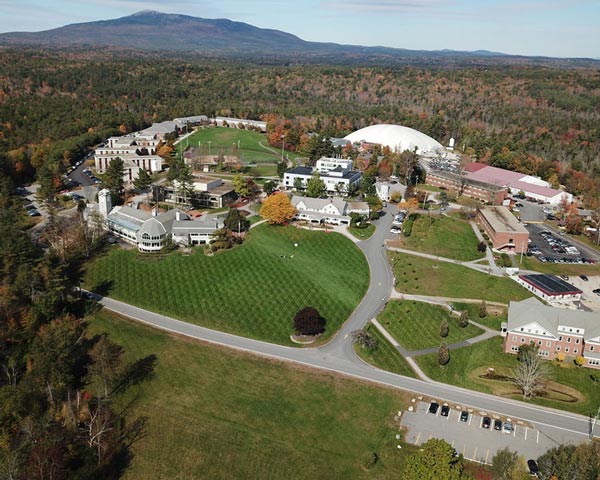
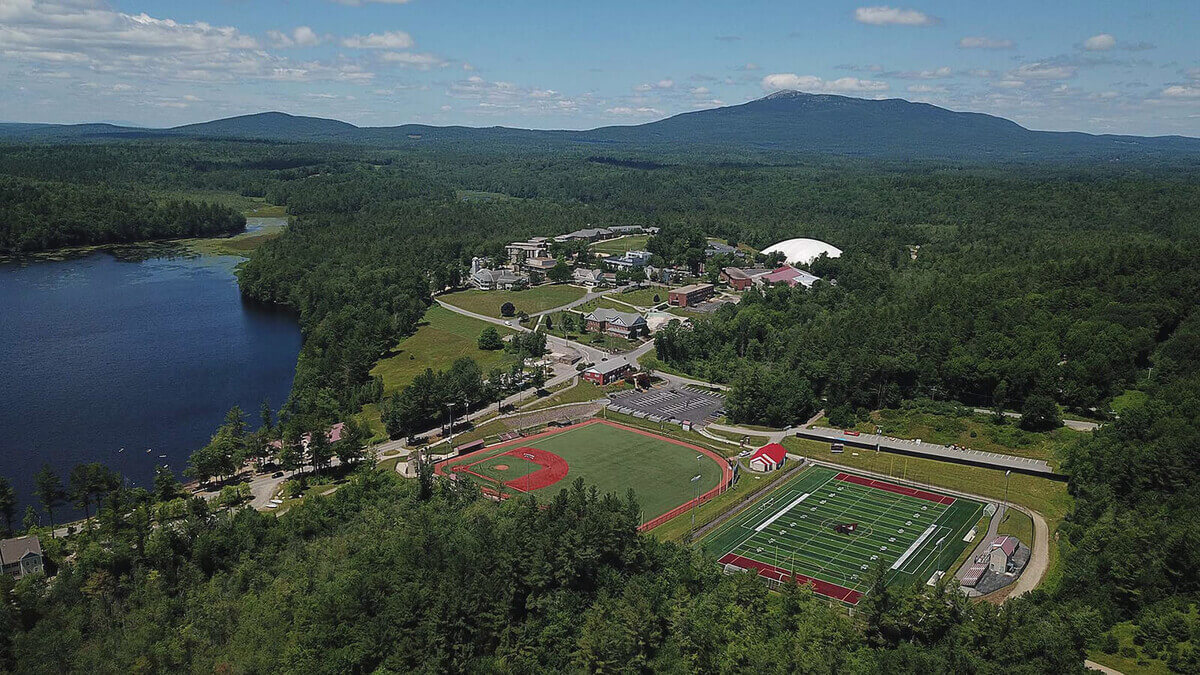
Franklin Pierce University is a small, accessible liberal arts school in rural New Hampshire known for its tight-knit community, hands-on learning, and robust health sciences programs. With a 93% acceptance rate and a sprawling 1,000-acre campus, it attracts students who crave outdoor recreation and a personalized education—though its 49% graduation rate suggests some struggle to persist. The university punches above its weight in nursing and business, while its alumni contribute significantly to New Hampshire's economy.
Admissions
Franklin Pierce is one of the least selective universities in New Hampshire, with a 93.5% acceptance rate (2,218 admitted from 2,373 applicants in 2024). The average admitted student has an SAT score between 1032–1282 or an ACT score of 19–26, with 19% of enrollees holding GPAs of 3.75+. Notably, the university emphasizes high school coursework and grades as the most important factors in admissions—not test scores. There's no application fee, lowering barriers to apply.
- Acceptance rate: 93.5% (2024)
- Mid-50% SAT: 1032–1282
- Mid-50% ACT: 19–26
- Application fee: $0
Sources
- Facts & Stats - Franklin Pierce University
- Franklin Pierce University - Data USA
- Franklin Pierce University - DFR Report HTML
- Franklin Pierce University Admissions - US News Best Colleges
- Common Data Set: Home
- Franklin Pierce University: SAT Scores, Acceptance Rate - ThoughtCo
- Franklin Pierce University Admissions - BigFuture College Search
- Franklin Pierce University SAT Scores and GPA - PrepScholar
- Admission Criteria - Franklin Pierce University
- Franklin Pierce University Admissions & Acceptance - Niche