What is the acceptance rate at Kansas City Art Institute?
Kansas City Art Institute's acceptance rate is approximately 55% (Kansas City, MO), based on the most recent figures we compiled from public and primary sources.
How much does Kansas City Art Institute cost?
At Kansas City Art Institute, the average net price (after aid) is about $27,650 per year. Actual cost varies with financial aid and residency.
How many undergraduates attend Kansas City Art Institute?
Kansas City Art Institute enrolls approximately 812 undergraduate students.
Where is Kansas City Art Institute located?
Kansas City Art Institute is located in Kansas City, MO.
The Kansas City Art Institute (KCAI) is a fiercely creative incubator where students dive deep into 13 studio majors under the mentorship of working artists and designers. With a 55% acceptance rate and a scrappy, hands-on ethos, KCAI balances rigorous critique with Kansas City's vibrant arts scene—though early-career earnings lag behind national averages. Its lush campus and tight-knit community make it a haven for those willing to bet on an art degree.
Admissions
KCAI admits just over half of its applicants—a 54.8% Acceptance rateThe share of applicants a college admits in a given year. A 10% acceptance rate means it admits about 1 in 10 applicants. in 2024—making it accessible but still selective among art schools. Notably, standardized test scores are optional, with the school emphasizing portfolios and high school GPAs instead. Successful applicants typically submit SAT scores between 998–1255 or ACT composites around 30, though scoring above 1160 SAT or 30 ACT nearly guarantees admission. The admissions team evaluates core curriculum strength and artistic potential, with undocumented and DACA students eligible to apply.
KCAI’s 13 studio majors—from Animation to Sculpture—are taught by faculty who are actively practicing artists, a hallmark of the institute’s ‘working artist’ pedagogy. The curriculum leans heavily on critique-based learning, with students praising the ‘individualized attention’ from professors who push them to refine their technical and conceptual skills. While the school doesn’t offer traditional minors, its interdisciplinary environment encourages cross-pollination between disciplines like Graphic Design and Ceramics. Alumni and students frequently highlight the intensity of studio work, with one noting the faculty’s dedication despite resource constraints.
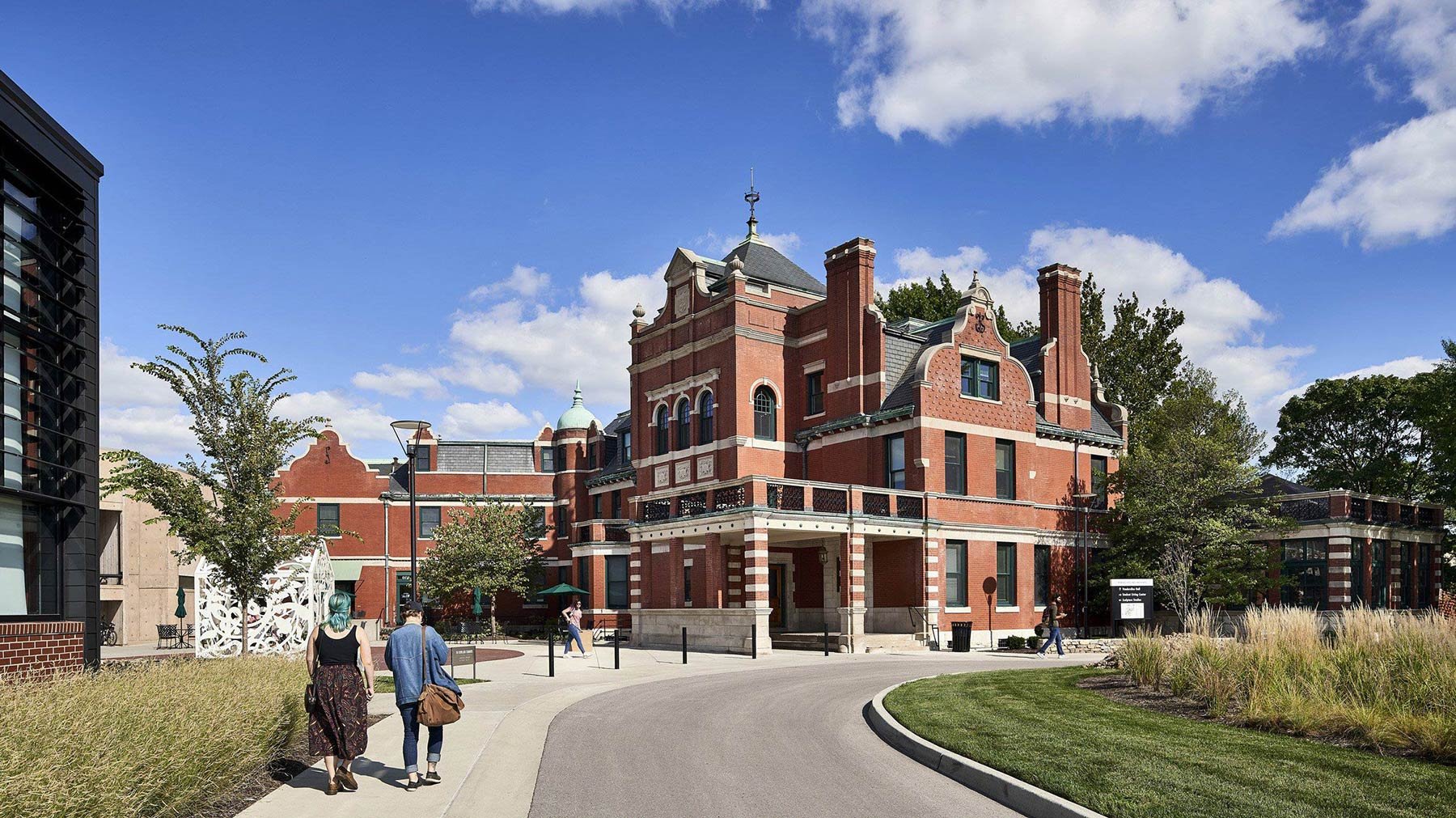
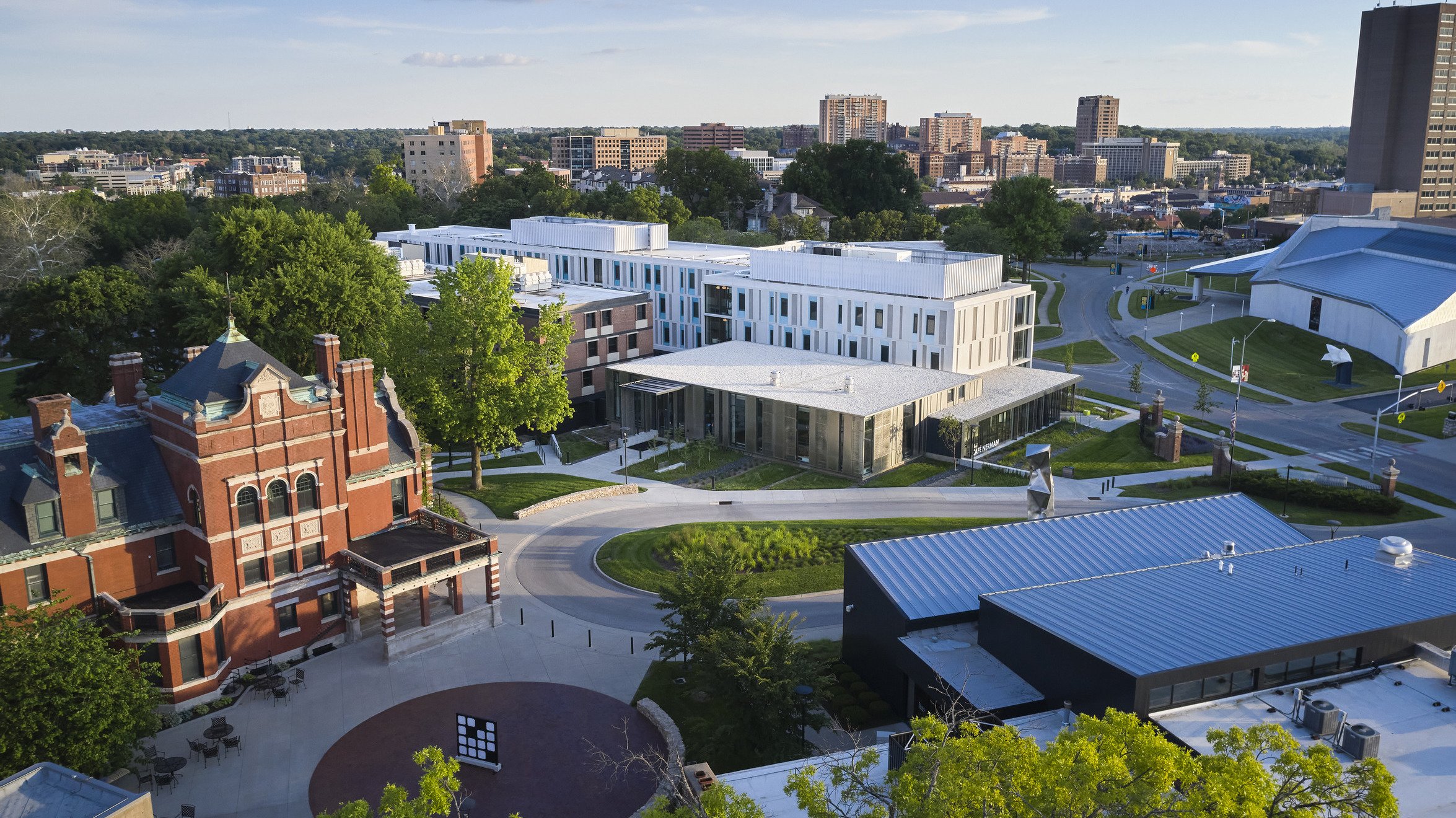
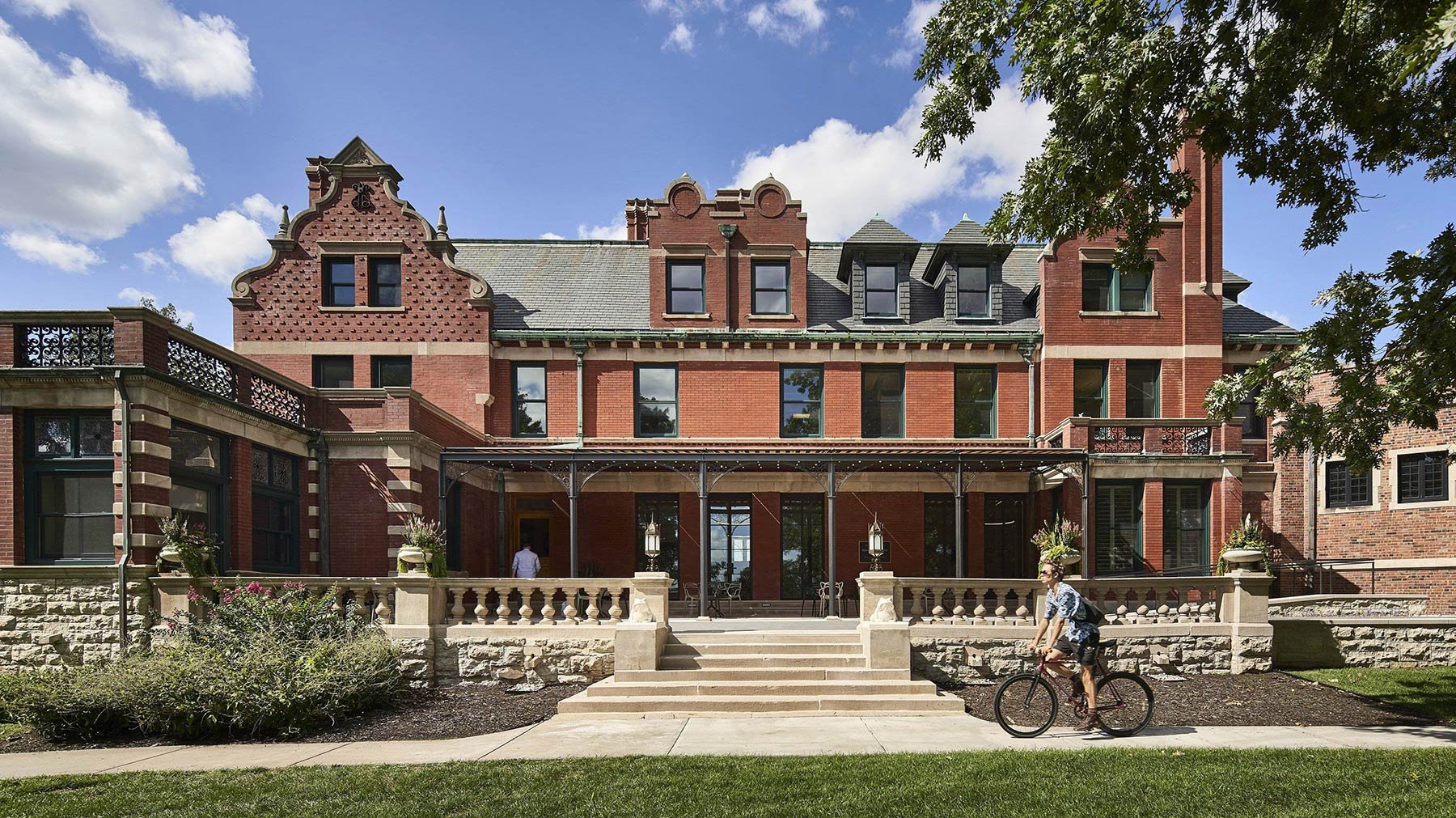
Life at KCAI oscillates between marathon studio sessions and gallery-hopping in Kansas City’s thriving arts district. The campus itself is a visual feast, often touted as ‘the most beautiful of any art school’ with its mix of historic and modern buildings. Students decompress by joining clubs, attending openings at the on-campus galleries (which host public exhibitions), or lounging on the grassy quad. The school actively integrates with the city’s cultural fabric—recent plans include transforming a nearby property into a community arts hub. Instagram posts showcase a tight-knit, slightly quirky community where ‘fearless creatives’ collaborate late into the night.
KCAI’s 65% graduation rate outpaces many peer institutions, but post-graduation earnings are modest. Median income one year out is $22,643—well below the $36,427 national average for art schools—though this climbs to $37k after a decade. Nearly 60% of graduates take on debt (median $27k), a sobering reality for a degree that often requires freelancing or gig work. The school emphasizes real-world prep through internships and sponsored projects, but alumni earnings suggest a slower career ramp-up in the arts.
Tuition at KCAI is steep—$30,142 after aid—but 99% of students receive financial assistance, with average packages totaling $27,026. The Net priceWhat a family actually pays after grants and scholarships are subtracted from the sticker price — usually far less than the published cost. calculator estimates out-of-pocket costs around $27,650/year for aid recipients, though this varies widely. Scholarships and grants cover a significant portion, but loans fill the gaps: federal loan recipients report an average net price of $29,760. Prospective students should note that work-study and merit awards are key to making the numbers work.
KCAI’s edge lies in its unapologetic focus on studio practice and Kansas City’s underrated arts ecosystem. Unlike larger urban art schools, it offers intimate mentorship (with faculty who exhibit globally) and a campus that feels like a collaborative artists’ colony. The trade-off? Graduates may struggle financially early on, but those who thrive value the school’s gritty, make-it-work ethos—perfect for artists who want to stay clear of coastal pretensions.
Kansas City Art Institute logo · sourceVisit - Kansas City Art Institute · sourceConsumer Information + Compliance - Kansas City Art Institute · sourceAcademics - Kansas City Art Institute · source