Loading…
← All schools
National Institute for Medical Assistant Advancement (NIMAA)
Denver, COprivate nonprofitnimaa.edu
- Acceptance rateThe share of applicants a college admits in a given year. A 10% acceptance rate means it admits about 1 in 10 applicants.
- 29%
- Undergrad enrollment
- 194
- Net priceWhat a family actually pays after grants and scholarships are subtracted from the sticker price — usually far less than the published cost.
- $12,959
- Location
- Denver, CO
- Program Length
- 8 months
- Acceptance Rate
- 21-29%
- Recent Milestone
- 10th graduating cohort (2023)
- Hispanic Enrollment
- 54.6%
- Federal Aid Eligible
- Yes (Pell Grants)
- Minimum Passing Grade
- 73%
- Externship Hours Required
- 240
Quick answers
- What is the acceptance rate at National Institute for Medical Assistant Advancement (NIMAA)?
- National Institute for Medical Assistant Advancement (NIMAA)'s acceptance rate is approximately 29% (Denver, CO), based on the most recent figures we compiled from public and primary sources.
- How much does National Institute for Medical Assistant Advancement (NIMAA) cost?
- At National Institute for Medical Assistant Advancement (NIMAA), the average net price (after aid) is about $12,959 per year. Actual cost varies with financial aid and residency.
- How many undergraduates attend National Institute for Medical Assistant Advancement (NIMAA)?
- National Institute for Medical Assistant Advancement (NIMAA) enrolls approximately 194 undergraduate students.
- Where is National Institute for Medical Assistant Advancement (NIMAA) located?
- National Institute for Medical Assistant Advancement (NIMAA) is located in Denver, CO.
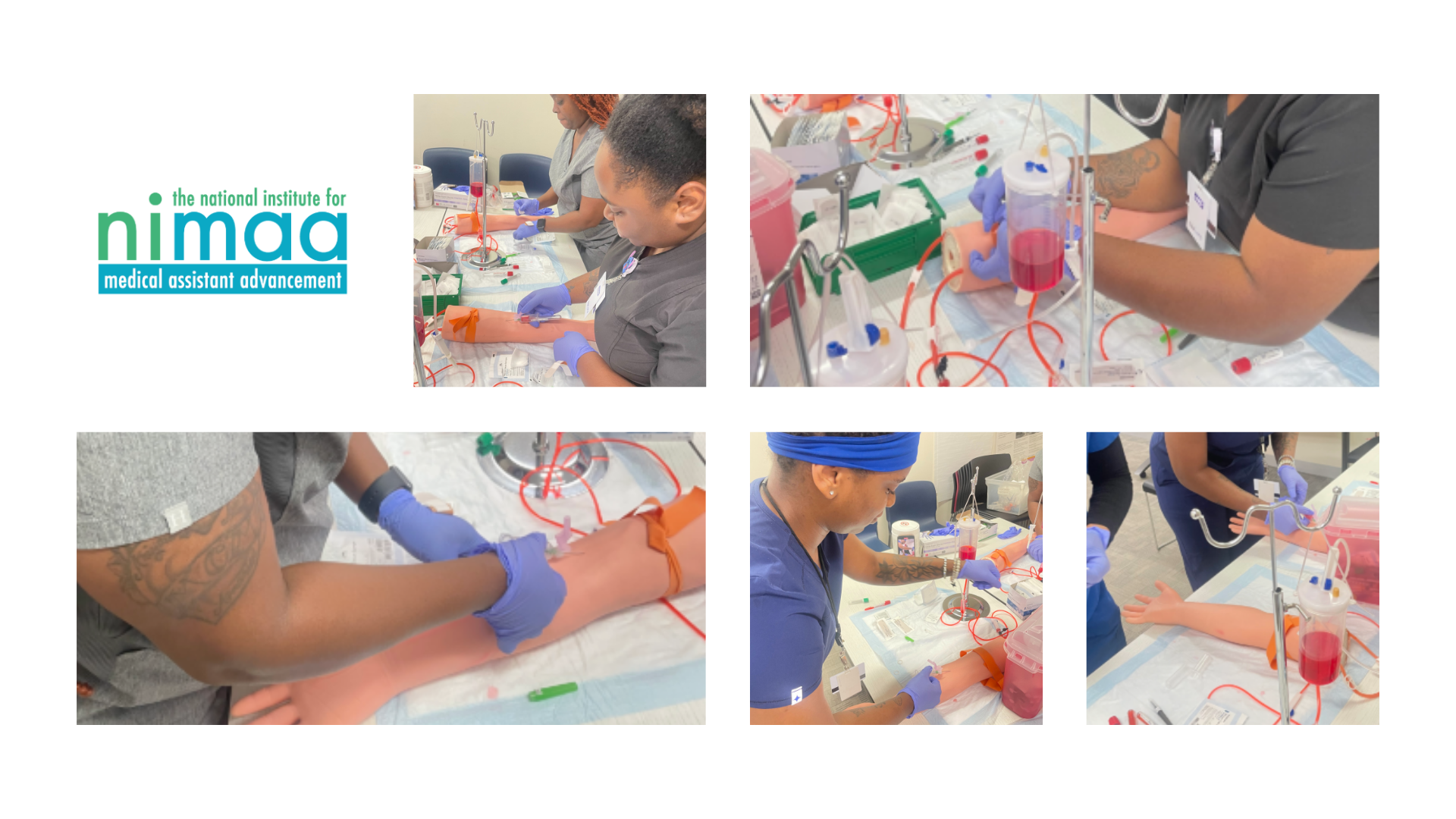
The National Institute for Medical Assistant Advancement (NIMAA) is a hyper-focused, nonprofit training institute that turns out job-ready medical assistants in just eight months. With a pragmatic hybrid curriculum blending online learning with hands-on externships, NIMAA serves a predominantly Hispanic student body (54.6%) and maintains strong ties to community health centers. Its 21-29% acceptance rate reflects selective standards for a program that punches above its weight in career outcomes.
Admissions
NIMAA operates on a two-phase admissions cycle (early and regular), with early applicants benefiting from priority review—though the school doesn't allow deferred enrollment. The institute is moderately selective, with Acceptance rateThe share of applicants a college admits in a given year. A 10% acceptance rate means it admits about 1 in 10 applicants. ranging from 21% (per CollegeFind) to 29.38% (MyFuture data). Notably, 54.6% of enrolled students identify as Hispanic or Latino, reflecting NIMAA's mission to serve diverse communities. A $25 application fee is required, and unlike traditional colleges, NIMAA doesn't consider SAT/ACT scores—focusing instead on readiness for intensive healthcare training.
Sources
- National Institute for Medical Assistant Advancement (NIMAA)
- Our Program - NIMAA
- Press Releases - NIMAA
- National Institute for Medical Assistant Advancement (NIMAA)
- National Institute for Medical Assistant Advancement (NIMAA ...
- National Institute for Medical Assistant Advancement (NIMAA)
- National Institute for Medical Assistant Advancement (NIMAA)
- National Institute for Medical Assistant Advancement (NIMAA)
- National Institute for Medical Assistant Advancement (NIMAA)
- NIMAA: Home