Loading…
← All schools
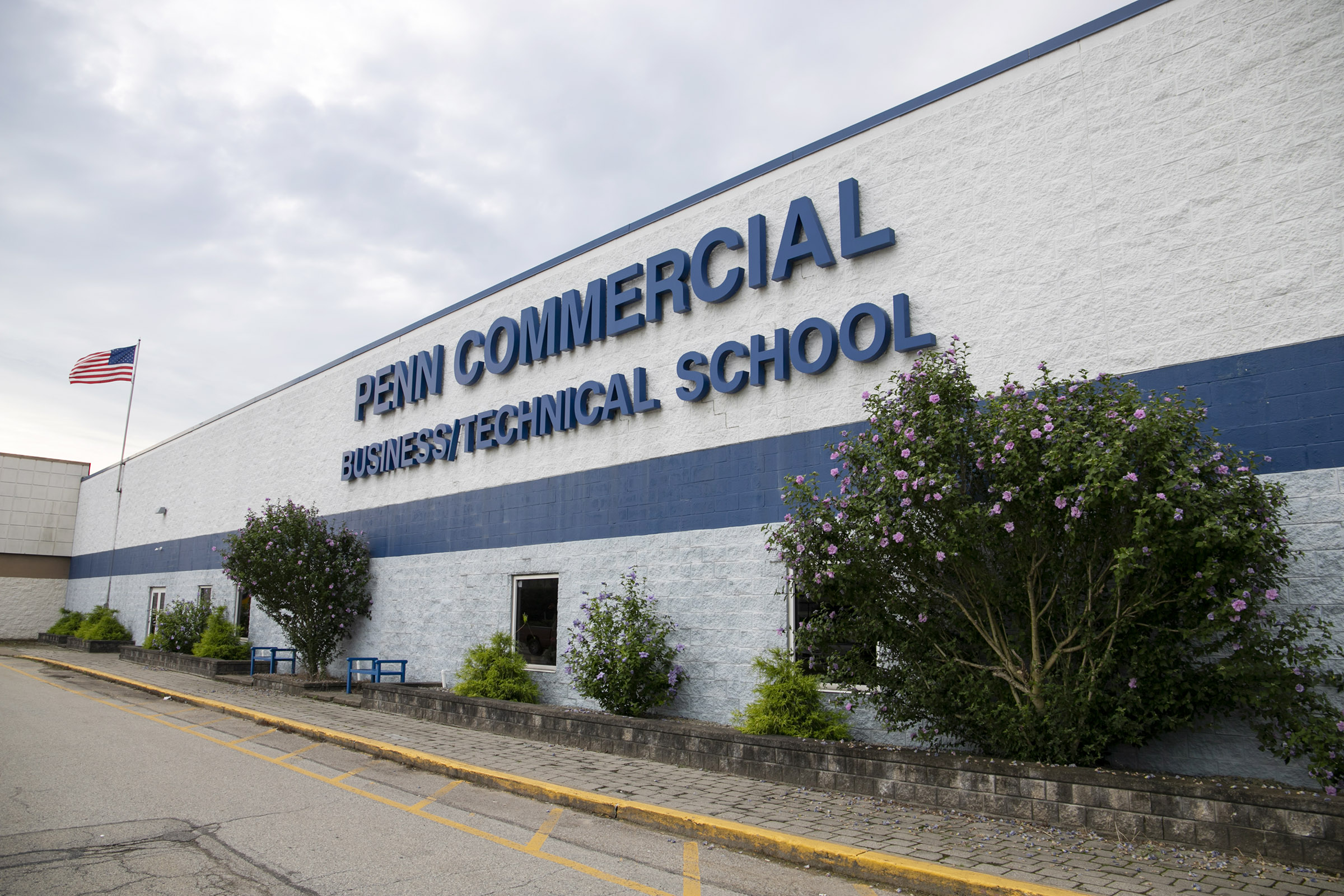
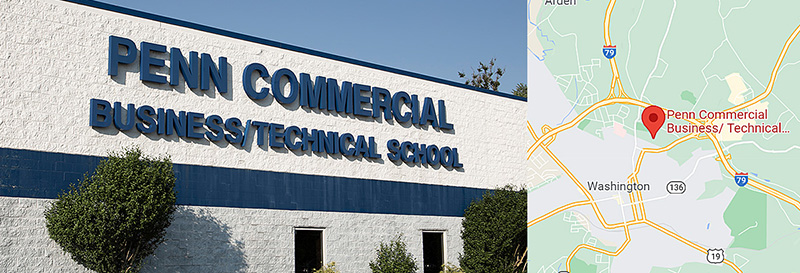
Penn Commercial Business/Technical School
Washington, PAprivate forprofitwww.penncommercial.edu/
- Acceptance rateThe share of applicants a college admits in a given year. A 10% acceptance rate means it admits about 1 in 10 applicants.
- 56%
- Undergrad enrollment
- 265
- Net priceWhat a family actually pays after grants and scholarships are subtracted from the sticker price — usually far less than the published cost.
- $18,350
- In-state tuition
- $13,654
- Out-of-state tuition
- $13,654
- Avg. Net Price
- $14,409
- Acceptance Rate
- 56-73%
- Graduation Rate
- 73%
- Program Duration
- 3-18 months
- Avg. Grant Amount
- $7,699
- Median Earnings 1Y Post-Grad
- $31,452
- First-Year Students Receiving Grants
- 40%
Quick answers
- What is the acceptance rate at Penn Commercial Business/Technical School?
- Penn Commercial Business/Technical School's acceptance rate is approximately 56% (Washington, PA), based on the most recent figures we compiled from public and primary sources.
- How much does Penn Commercial Business/Technical School cost?
- At Penn Commercial Business/Technical School, the average net price (after aid) is about $18,350 per year. Actual cost varies with financial aid and residency.
- How many undergraduates attend Penn Commercial Business/Technical School?
- Penn Commercial Business/Technical School enrolls approximately 265 undergraduate students.
- Where is Penn Commercial Business/Technical School located?
- Penn Commercial Business/Technical School is located in Washington, PA.
Penn Commercial Business/Technical School is a no-nonsense career college in Washington, PA, where students train for skilled trades and technical fields in months, not years. With a hands-on approach honed over 95 years, it delivers focused programs in HVAC, drafting, and other in-demand trades—though its modest graduation rates and post-grad earnings suggest outcomes vary widely by program.
Admissions
Penn Commercial's admissions process is straightforward and moderately selective, with Acceptance rateThe share of applicants a college admits in a given year. A 10% acceptance rate means it admits about 1 in 10 applicants. ranging from 56% (per College Scorecard and Data USA) to 73% (per College Board). Notably, the school doesn't require standardized test scores, emphasizing accessibility for career-focused students. Prospective students can connect directly with the admissions team via text, call, or email—a reflection of the school's pragmatic, no-frills approach. Male applicants face a notably higher acceptance rate (100% for the 62 applied, per Peterson's), though sample sizes are small.
Sources
- Penn Commercial Business/Technical School
- Penn Commercial Business/Technical School - Data USA
- Penn Commercial Business/Technical School | College Scorecard
- Common Data Set: Home
- [PDF] common-data-set-current-year.pdf - Saint Vincent College
- Penn Commercial Business/Technical School - Sallie
- Penn Commercial Business and Technical School - Peterson's
- Penn Commercial Business/Technical School - Niche
- Penn Commercial Business and Technical School Admission
- Penn Commercial Business and Technical School Admissions