Loading…
← All schools
Pennsylvania State University-Penn State Altoona
Altoona, PApublicaltoona.psu.edu
- Acceptance rateThe share of applicants a college admits in a given year. A 10% acceptance rate means it admits about 1 in 10 applicants.
- 98%
- SAT 25th-75th percentileThe middle range of SAT scores for admitted students: a quarter scored below the low number and a quarter scored above the high number.
- 1070–1290
- Undergrad enrollment
- 2,367
- Net priceWhat a family actually pays after grants and scholarships are subtracted from the sticker price — usually far less than the published cost.
- $22,213
- In-state tuition
- $15,972
- Out-of-state tuition
- $26,958
- Avg. Net Price
- $22,506
- Middle 50% SAT
- 1120–1290
- Acceptance Rate
- 98.1%
- Degrees Offered
- 21 bachelor’s, 5 associate
- Graduation Rate
- 17%
- Student-Faculty Ratio
- 12:1
- Median Earnings (5 Yrs)
- $46K
Quick answers
- What is the acceptance rate at Pennsylvania State University-Penn State Altoona?
- Pennsylvania State University-Penn State Altoona's acceptance rate is approximately 98% (Altoona, PA), based on the most recent figures we compiled from public and primary sources.
- What SAT score do you need for Pennsylvania State University-Penn State Altoona?
- Admitted students at Pennsylvania State University-Penn State Altoona typically score 1070–1290 on the SAT (the middle-50% range). Scores outside this band are still admitted, especially with strong applications.
- How much does Pennsylvania State University-Penn State Altoona cost?
- At Pennsylvania State University-Penn State Altoona, the average net price (after aid) is about $22,213 per year. Actual cost varies with financial aid and residency.
- How many undergraduates attend Pennsylvania State University-Penn State Altoona?
- Pennsylvania State University-Penn State Altoona enrolls approximately 2,367 undergraduate students.
- Where is Pennsylvania State University-Penn State Altoona located?
- Pennsylvania State University-Penn State Altoona is located in Altoona, PA.
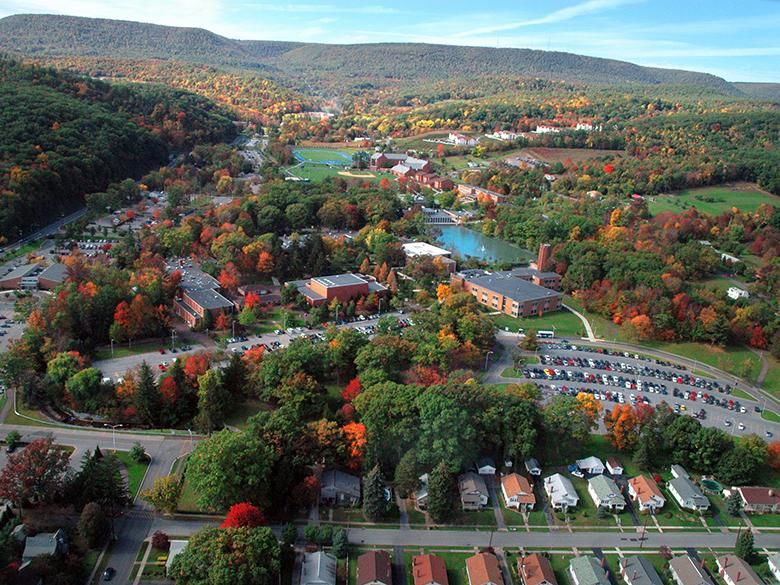
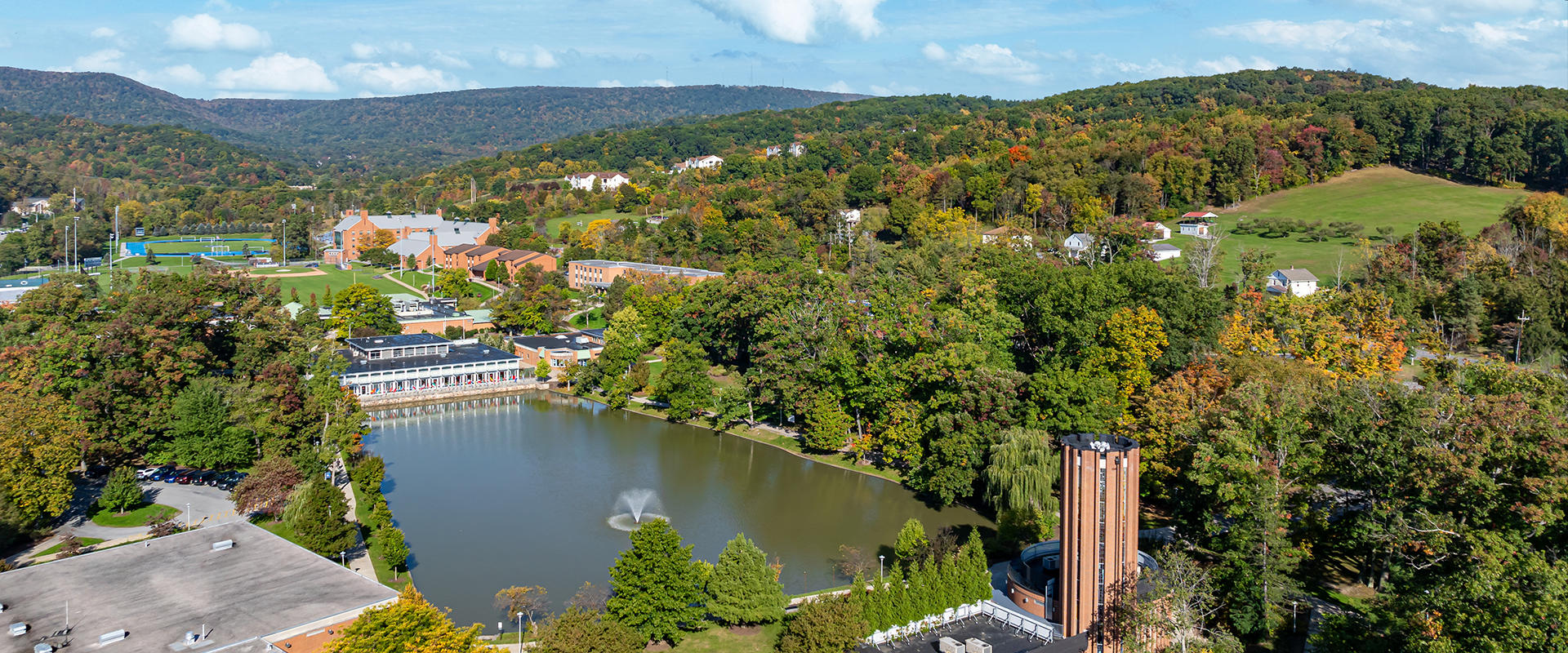
Penn State Altoona is the ultimate backdoor into the Penn State system—a small, residential campus where nearly everyone gets in (98% acceptance rate), but only the persistent stick around (17% graduation rate). With the academic flexibility to start any of Penn State’s 275+ majors before potentially transitioning to University Park, it’s a low-stakes, low-cost ($22K net price) proving ground for students who thrive in intimate classes (12:1 student-faculty ratio) but want the brand recognition of a Big Ten degree.
Admissions
Penn State Altoona is about as close to open admissions as a Big Ten affiliate gets: 98.1% of applicants are accepted, making it one of the least selective four-year campuses in the Penn State system. The middle 50% of admitted students have GPAs between 3.15–3.81 and SAT scores ranging from 1120–1290, though the university emphasizes that it conducts a Holistic admissionsA review that weighs the whole applicant — grades, essays, activities, and context — rather than relying on test scores and GPA alone.. Notably, 86% of students receive financial aid, suggesting the campus serves many cost-conscious families. Unlike flagship branches, Altoona doesn’t appear to prioritize LegacyAn applicant whose parent (or sometimes other close relative) attended the college. Some schools give a small edge to legacy applicants. status or extracurriculars—its admissions page conspicuously omits these factors.
Academics
Sources
- Common Data Set | Office of Planning, Assessment, and ... - opair
- Common Data Set | Office of Planning, Assessment, and ... - opair
- Pennsylvania State University 2026 Common Data Set - GradGPT
- Common Data Set (CDS) Penn - Institutional Research & Analysis
- How to Use the Penn State Common Data Set - Admit Report
- Common Data Set: Home
- Eligibility and Class Profile for First-Year Students - Penn State
- Penn State Altoona SAT Scores and GPA
- Penn State Altoona Admissions - BigFuture College Search
- Admission Requirements - Penn State Altoona
- Pennsylvania State University - Penn State Altoona: Statistics