Loading…
← All schools
Ringling College of Art and Design
Sarasota, FLprivate nonprofitringling.edu
- Acceptance rateThe share of applicants a college admits in a given year. A 10% acceptance rate means it admits about 1 in 10 applicants.
- 70%
- Undergrad enrollment
- 1,662
- Net priceWhat a family actually pays after grants and scholarships are subtracted from the sticker price — usually far less than the published cost.
- $57,742
- In-state tuition
- $57,900
- Out-of-state tuition
- $57,900
- SAT/ACT
- Not required
- Location
- Sarasota, FL
- Top Majors
- Animation (36%), Illustration (31%)
- Acceptance Rate
- 70%
- Graduation Rate
- 76%
- Portfolio Required
- Yes
- Median Student Debt
- $27,000
- Average Early-Career Earnings
- $36,000
Quick answers
- What is the acceptance rate at Ringling College of Art and Design?
- Ringling College of Art and Design's acceptance rate is approximately 70% (Sarasota, FL), based on the most recent figures we compiled from public and primary sources.
- How much does Ringling College of Art and Design cost?
- At Ringling College of Art and Design, the average net price (after aid) is about $57,742 per year. Actual cost varies with financial aid and residency.
- How many undergraduates attend Ringling College of Art and Design?
- Ringling College of Art and Design enrolls approximately 1,662 undergraduate students.
- Where is Ringling College of Art and Design located?
- Ringling College of Art and Design is located in Sarasota, FL.
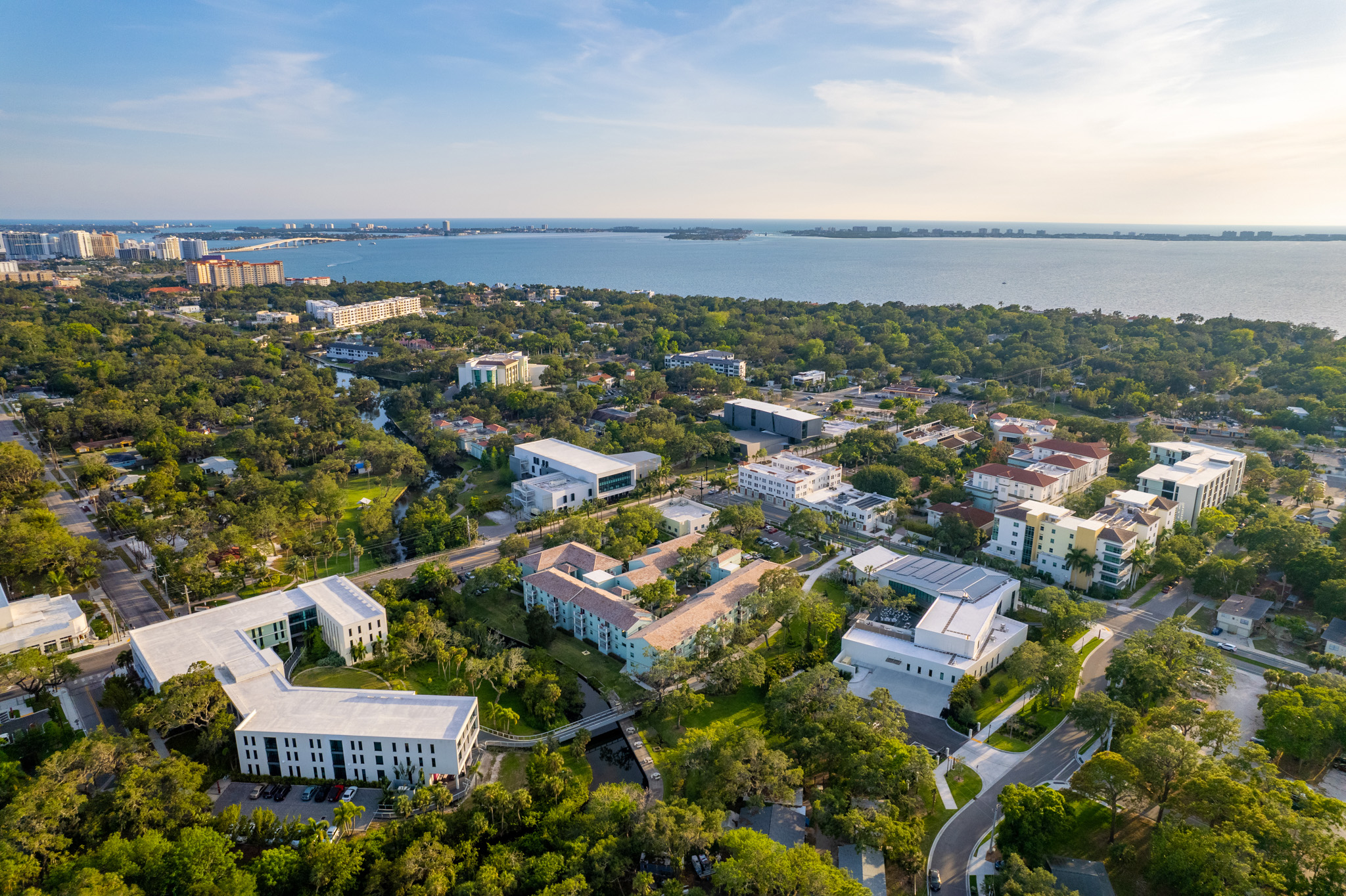
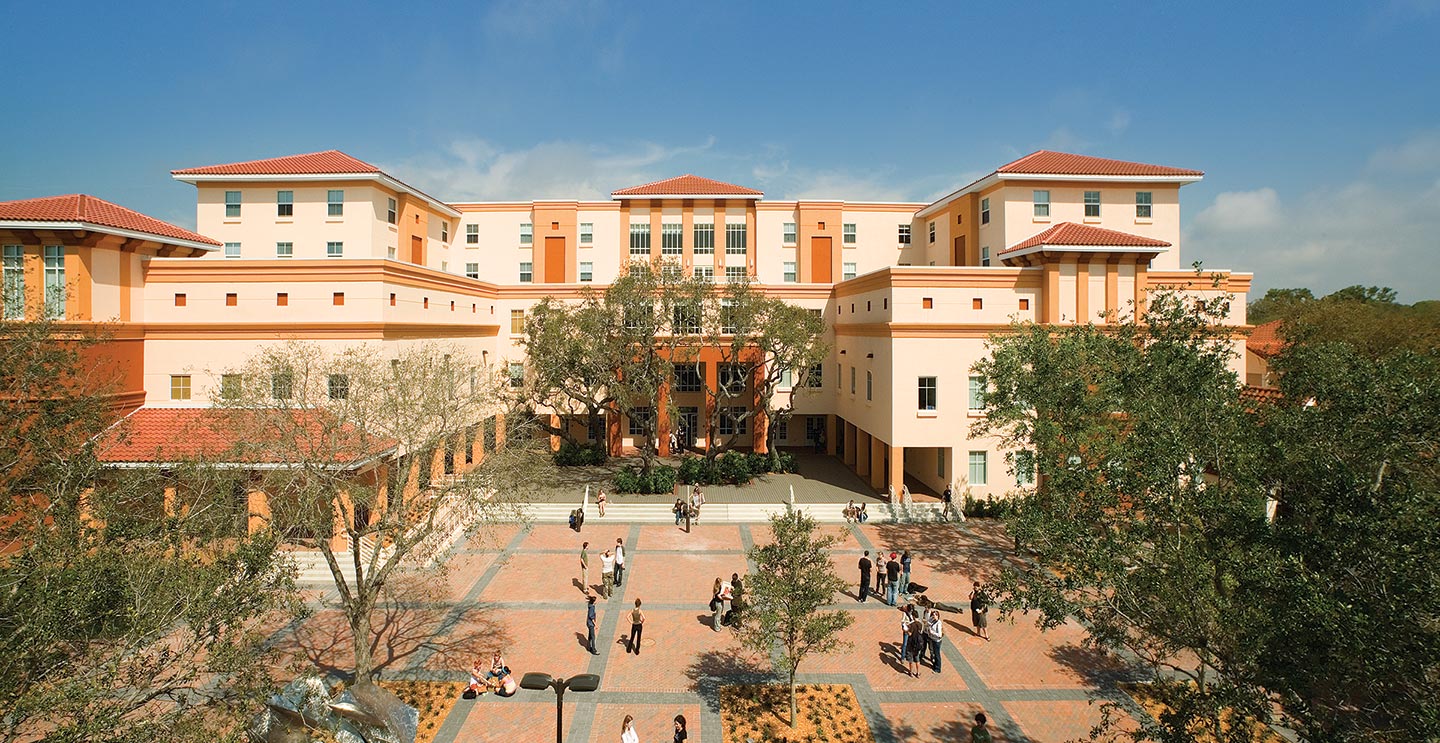
Ringling College of Art and Design is a specialized powerhouse where creativity meets technical rigor, known for its hands-on, industry-aligned programs in animation, game art, and illustration. With a 70% acceptance rate, it’s accessible but fiercely competitive in portfolio reviews, and its Sarasota campus buzzes with collaborative energy. Graduates often land in top studios, though early-career earnings reflect the freelance-heavy nature of creative fields.
Admissions
Ringling’s admissions process is portfolio-first, with a 70% acceptance rate (per 2024 data), making it moderately selective but far more accessible than elite conservatories. SAT/ACT scores are not required, though submitting them is encouraged if they strengthen the application. The college prioritizes creative promise—38% of admitted students had GPAs of 3.75+, but portfolio quality often outweighs academics. Deadlines are rolling, offering flexibility. Transfer students face similar portfolio expectations, with no mention of open admission policies.
Academics
Ringling’s curriculum is , with and —its two largest majors. The Fine Arts BFA is intentionally small, fostering tight-knit mentorship. Game Art students build immersive worlds, reflecting industry demands (Facebook post highlights this specialization). Unlike liberal arts colleges, there’s no academic dilution: every major trains students for specific creative careers, from film (praised for hands-on approach) to graphic design. The lack of traditional gen-ed requirements means students dive into their disciplines immediately.
Sources
- Ringling College of Art and Design - DFR Report PDF
- Consumer Information - Ringling College of Art and Design
- Ringling College of Art and Design Graduation Rate & Demographics
- Ringling College of Art and Design - Data USA
- Ringling College of Art and Design - DFR Report HTML
- [PDF] Common Data Set 2022-2023 - ArtCenter College of Design
- Ringling College of Art and Design Admissions - BigFuture
- Ringling College of Art and Design Admissions
- Ringling College of Art and Design Admissions - ThoughtCo
- Admission Requirements - Ringling College of Art and Design