Loading…
← All schools
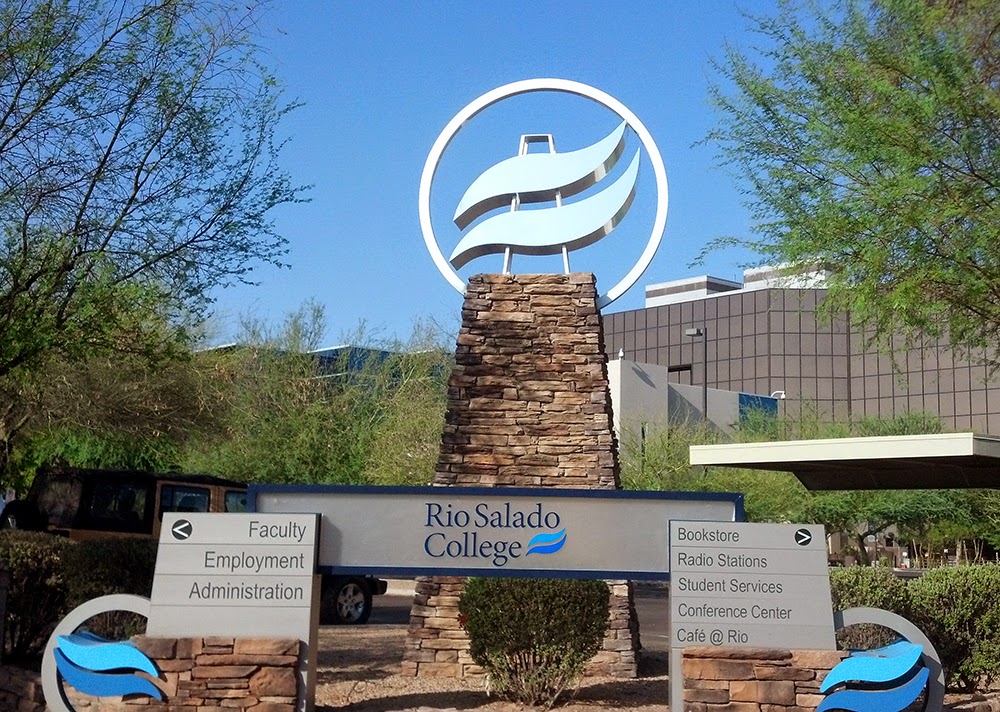
Rio Salado College
Tempe, AZpublicwww.riosalado.edu/
- Undergrad enrollment
- 11,668
- Net priceWhat a family actually pays after grants and scholarships are subtracted from the sticker price — usually far less than the published cost.
- $8,341
- In-state tuition
- $2,358
- Out-of-state tuition
- $8,958
- Avg. Net Price
- $6,834
- Unique Feature
- Bachelor's degrees at community college price
- Acceptance Rate
- 100%
- Notable Programs
- Public Safety Admin, Elementary Education, Criminal Justice
- Total Enrollment
- ~55,000
- Graduation Rate (3-yr)
- 9% (federal) / 42% (college-reported)
Quick answers
- How much does Rio Salado College cost?
- At Rio Salado College, the average net price (after aid) is about $8,341 per year. Actual cost varies with financial aid and residency.
- How many undergraduates attend Rio Salado College?
- Rio Salado College enrolls approximately 11,668 undergraduate students.
- Where is Rio Salado College located?
- Rio Salado College is located in Tempe, AZ.
Rio Salado College is a pioneering online community college based in Tempe, Arizona, known for its radical accessibility and flexibility. With a 100% acceptance rate and over 150 programs—including two bachelor's degrees—it serves a diverse, non-traditional student body through innovative digital learning models. While graduation rates spark debate, its affordability and focus on workforce-ready credentials make it a critical gateway for Arizona's adult learners.
Admissions
Rio Salado operates on an open admissions policy, accepting virtually all applicants with a high school diploma or GED—no SAT/ACT required. With a 100% acceptance rate, it's designed for maximum accessibility, particularly for adult learners and non-traditional students. The college enrolled 18,841 students in a recent cycle, with nearly all applicants admitted (138 out of 140 in one reported year).
- No application deadlines: Rolling admissions align with frequent class start dates.
- No standardized tests: Emphasizes accessibility over selectivity.
- Dual enrollment friendly: High school students can easily enroll.
Sources
- Common Data Set: Home
- [PDF] 2024-2025 Common Data Set - Sarah Lawrence College
- Common Data Set – Office of Institutional Research
- Where to find Common Data Set (CDS) for college admission statistics
- [PDF] Common Data Set 2023-2024 - Chestertown - Washington College
- Useful Resource: a Repository of Common Data Set - Reddit
- Rio Salado College - Tuition and Acceptance Rate - Peterson's
- Rio Salado College Admission, Acceptance Rate, SAT, ACT & GPA
- Rio Salado College - Niche
- Rio Salado College Admissions - BigFuture