Loading…
← All schools
Sterling College
Craftsbury Common, VTprivate nonprofitwww.sterlingcollege.edu/
- Acceptance rateThe share of applicants a college admits in a given year. A 10% acceptance rate means it admits about 1 in 10 applicants.
- 67%
- Undergrad enrollment
- 50
- Net priceWhat a family actually pays after grants and scholarships are subtracted from the sticker price — usually far less than the published cost.
- $21,854
- In-state tuition
- $40,760
- Out-of-state tuition
- $40,760
- Location
- Craftsbury Common, VT
- Net Price
- $22,996
- Acceptance Rate
- 48-93% (varies by source)
- Notable Programs
- Environmental Studies, Outdoor Education, Sustainable Agriculture
- Student Body Gender
- 58.4% male, 41.6% female
- 6-Year Graduation Rate
- 29-49%
- Undergraduate Enrollment
- 680 (2023)
Quick answers
- What is the acceptance rate at Sterling College?
- Sterling College's acceptance rate is approximately 67% (Craftsbury Common, VT), based on the most recent figures we compiled from public and primary sources.
- How much does Sterling College cost?
- At Sterling College, the average net price (after aid) is about $21,854 per year. Actual cost varies with financial aid and residency.
- How many undergraduates attend Sterling College?
- Sterling College enrolls approximately 50 undergraduate students.
- Where is Sterling College located?
- Sterling College is located in Craftsbury Common, VT.
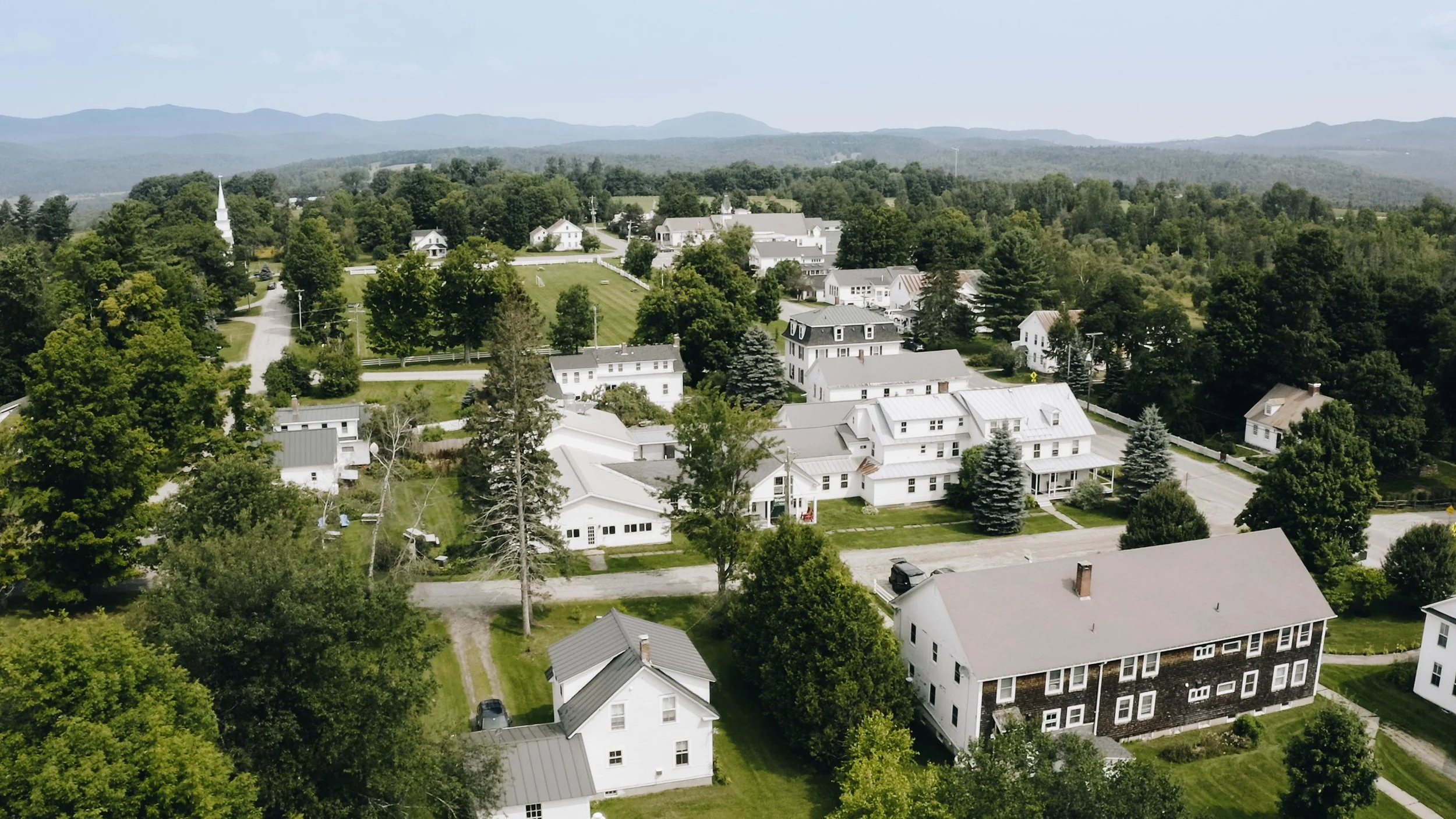
Sterling College in Craftsbury Common, VT, is a small, Christ-centered liberal arts college with a strong emphasis on hands-on learning and environmental stewardship. Known for its tight-knit community and rugged Vermont setting, Sterling offers a distinctive education that blends academics with outdoor adventure and sustainability. With an acceptance rate hovering around 48-93% (sources vary widely), it attracts students seeking a non-traditional college experience rooted in practical skills and ethical leadership.
Admissions
Sterling College's admissions process is notably accessible, with Acceptance rateThe share of applicants a college admits in a given year. A 10% acceptance rate means it admits about 1 in 10 applicants. reported anywhere from 48% (U.S. News) to 93.6% (PrepScholar), suggesting significant fluctuations in selectivity year-to-year. The college maintains modest academic benchmarks: applicants with an ACT score of 18+ or SAT score of 960+ and a 2.2 GPA qualify for full admission. Test-optionalA policy where you choose whether to submit SAT or ACT scores. If you don't, the rest of your application carries more weight. policies and Holistic admissionsA review that weighs the whole applicant — grades, essays, activities, and context — rather than relying on test scores and GPA alone. processes are implied by these thresholds, though specific policies aren't detailed in available sources. Transfer students face no additional requirements beyond standard admissions criteria.
- Acceptance Rate: Ranges from 48% (U.S. News) to 93.6% (PrepScholar)
- Test Scores: Middle 50% SAT range 1000-1230 (BigFuture)
- GPA: Average admitted student GPA unreported, but minimum 2.2 required for full admission
Sources
- Common Data Set: Home
- Common Data Set (CDS) | Institutional Research
- Demystifying the Common Data Set - Top Tier Admissions
- [PDF] Common Data Set 2023-2024 - Chestertown - Washington College
- Researching Colleges With the Common Data Set
- Common Data Set - ccmrwithmsthrash
- Sterling College Admissions - BigFuture College Search
- Sterling College Admissions - U.S. News & World Report
- Sterling College SAT Scores and GPA
- Admissions Requirements - Sterling College