Loading…
← All schools
Stevens-The Institute of Business & Arts
Saint Louis, MOprivate forprofitwww.siba.edu/
- Acceptance rateThe share of applicants a college admits in a given year. A 10% acceptance rate means it admits about 1 in 10 applicants.
- 100%
- Undergrad enrollment
- 89
- Net priceWhat a family actually pays after grants and scholarships are subtracted from the sticker price — usually far less than the published cost.
- $19,137
- In-state tuition
- $14,332
- Out-of-state tuition
- $14,332
- Programs
- Fashion, Interior Design, Business, Real Estate
- Urban Campus
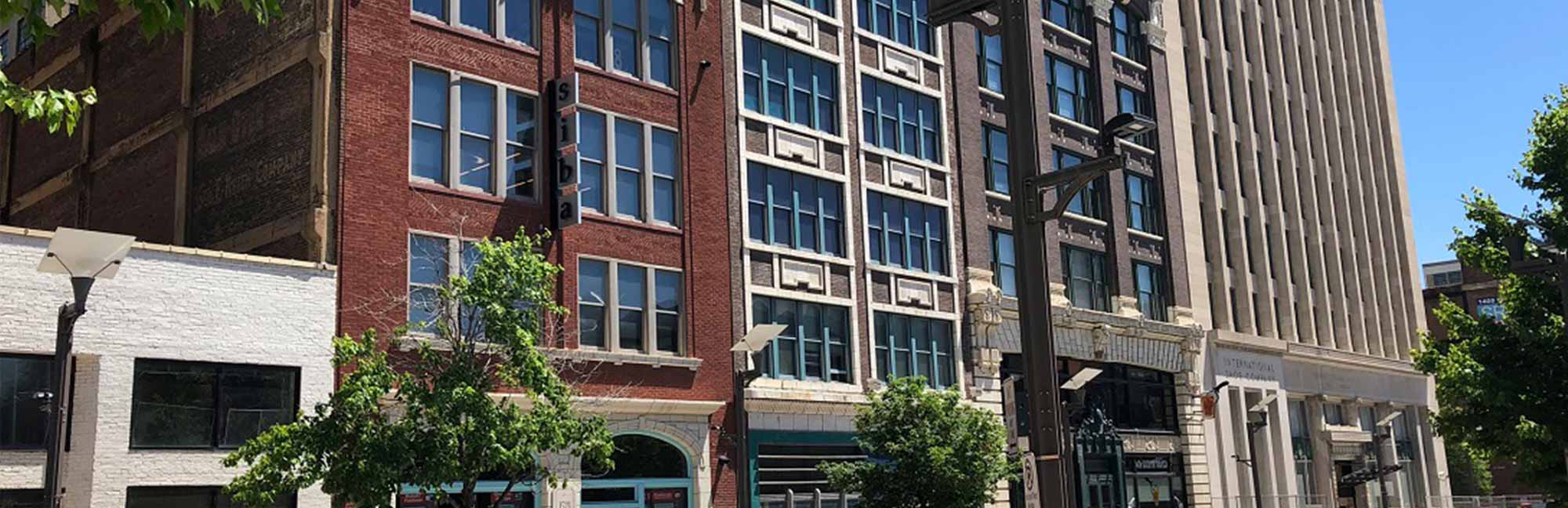
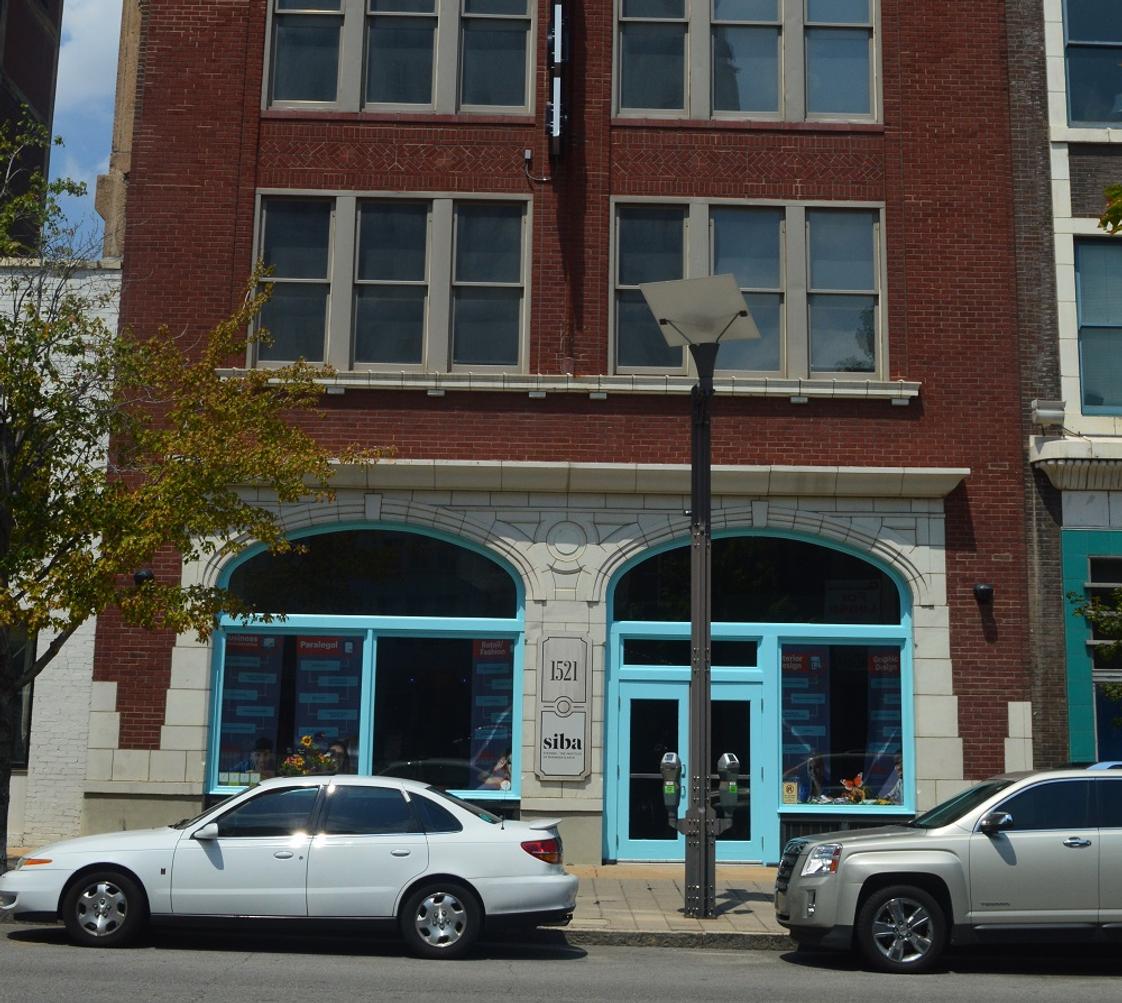
- Downtown St. Louis
- Acceptance Rate
- 100%
- Graduation Rate
- 100%
- Early-Career Earnings
- $26,000 (College Factual)
- Financial Aid Emphasis
- Personalized guidance
- Total Applicants (2024)
- 6
- Female-Only Admissions (2024)
- Yes
Quick answers
- What is the acceptance rate at Stevens-The Institute of Business & Arts?
- Stevens-The Institute of Business & Arts's acceptance rate is approximately 100% (Saint Louis, MO), based on the most recent figures we compiled from public and primary sources.
- How much does Stevens-The Institute of Business & Arts cost?
- At Stevens-The Institute of Business & Arts, the average net price (after aid) is about $19,137 per year. Actual cost varies with financial aid and residency.
- How many undergraduates attend Stevens-The Institute of Business & Arts?
- Stevens-The Institute of Business & Arts enrolls approximately 89 undergraduate students.
- Where is Stevens-The Institute of Business & Arts located?
- Stevens-The Institute of Business & Arts is located in Saint Louis, MO.
Stevens-The Institute of Business & Arts is a tiny, hyper-focused career college in St. Louis where every applicant gets in—but not everyone thrives. With a microscopic student body and programs laser-targeted on fashion, interior design, and business, it’s the antithesis of a sprawling university, offering an intimate, no-frills education where grads earn modest salaries but (the school promises) practical skills.
Admissions
This is about as close to a sure thing as higher education gets: 100% of applicants are admitted, with all 6 students who applied in 2024 receiving acceptance letters. The school’s open-door policy means no SAT/ACT requirements, no cutthroat competition—just a straightforward path to enrollment for those seeking career-focused training in business, fashion, or design. Notably, the entire 2024 applicant pool was female, reflecting the school’s historical emphasis on women’s education (it was originally Patricia Stevens College). While some sources cite a 71.42% Acceptance rateThe share of applicants a college admits in a given year. A 10% acceptance rate means it admits about 1 in 10 applicants., the most recent data confirms universal admission.
Sources
- [PDF] Common Data Set 2025-2026 - Stevens Institute of Technology
- Stevens-The Institute of Business & Arts - Data USA
- Stevens-The Institute of Business & Arts - Sallie
- Common Data Set: Home
- [PDF] Table of Contents - Siba
- Stevens-The Institute of Business & Arts - Tuition and Acceptance Rate
- Stevens - The Institute of Business & Arts Admissions & Acceptance
- Stevens-The Institute of Business & Arts - Admissions - MeetYourClass
- Stevens-The Institute of Business & Arts Acceptance Rate and SAT ...
- Siba | Business, Fashion, Interior Design & Real Estate Degrees