Loading…
← All schools
Studio Incamminati
Philadelphia, PAprivate nonprofitwww.studioincamminati.edu/
- Acceptance rateThe share of applicants a college admits in a given year. A 10% acceptance rate means it admits about 1 in 10 applicants.
- 100%
- Undergrad enrollment
- 39
- In-state tuition
- $18,915
- Out-of-state tuition
- $18,915
- Student Body
- 70% White, 10% Hispanic, 10% Black
- Location Vibe
- Philadelphia—affordable, museum-rich, no campus
- Acceptance Rate
- 100%
- Signature Focus
- Classical realist techniques (figure drawing, oil painting, sculpture)
- Student-Faculty Ratio
- 11:1
- Avg. Financial Aid Package
- $5,577
Quick answers
- What is the acceptance rate at Studio Incamminati?
- Studio Incamminati's acceptance rate is approximately 100% (Philadelphia, PA), based on the most recent figures we compiled from public and primary sources.
- How many undergraduates attend Studio Incamminati?
- Studio Incamminati enrolls approximately 39 undergraduate students.
- Where is Studio Incamminati located?
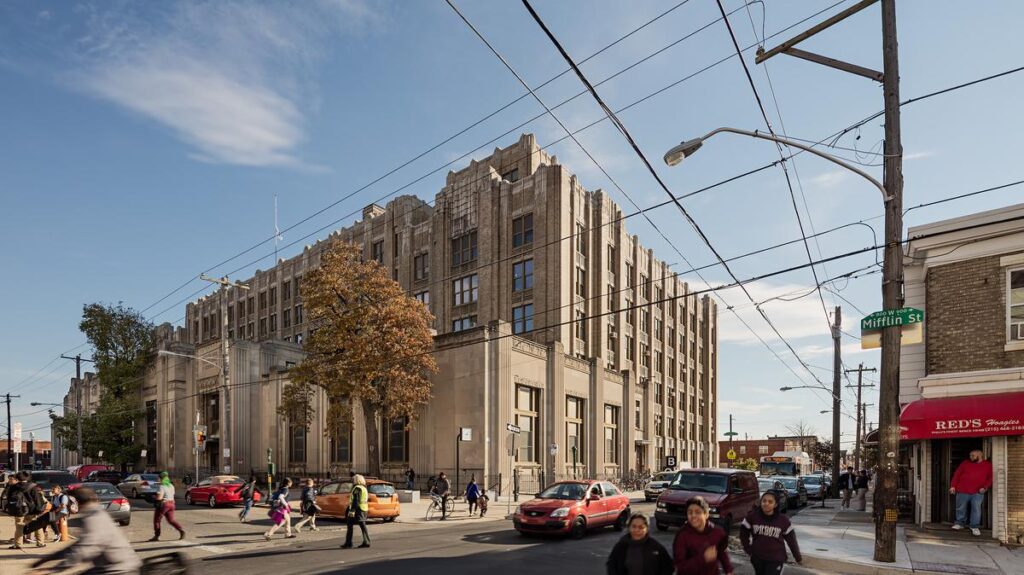
- Studio Incamminati is located in Philadelphia, PA.
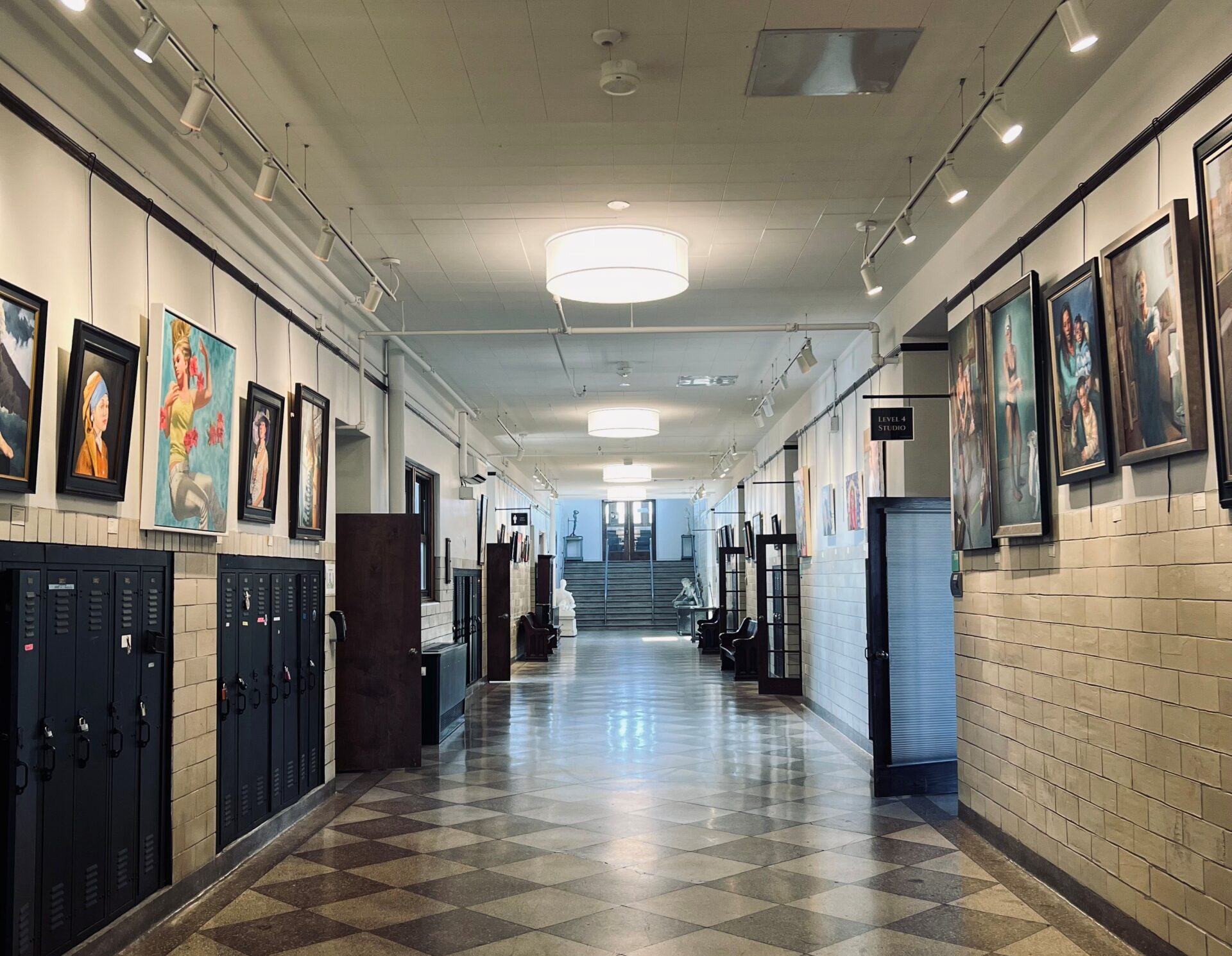
Studio Incamminati is a hyper-specialized, no-frills art school in Philadelphia that drills students in classical realist techniques with monastic intensity. With a 100% acceptance rate and an 11:1 student-faculty ratio, it offers an old-world atelier experience—think daily figure drawing, rigorous color theory, and anatomical sculpture—with Philadelphia's gritty affordability as a backdrop. This is where you go to master chiaroscuro, not chase a typical college experience.
Admissions
Studio Incamminati operates with open admissions—a 100% Acceptance rateThe share of applicants a college admits in a given year. A 10% acceptance rate means it admits about 1 in 10 applicants.—but don't mistake accessibility for lack of rigor. The school prioritizes commitment over credentials, with no reported SAT/ACT requirements and rolling deadlines (currently August 1 for Fall 2026). The student body skews heavily white (70%), with smaller Hispanic (10%) and Black (10%) populations, reflecting broader disparities in classical art education pipelines. Applicants submit portfolios, but the real filter is whether they can handle the program's relentless focus on technical mastery.
Academics
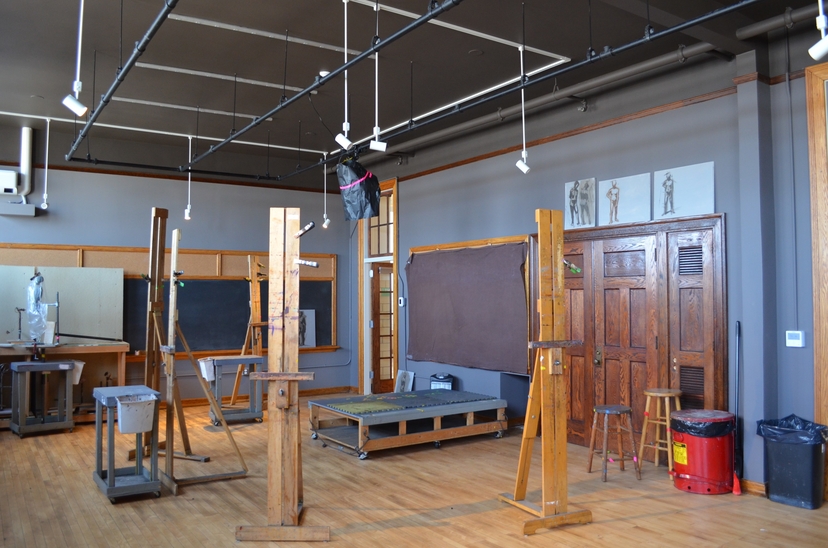
This is boot camp for realist artists. The curriculum—modeled on Italian academies and French ateliers—hammers students with daily figure drawing, painting, and sculpture, emphasizing light/shadow dynamics and anatomical precision. Through a partnership with Rowan University, students can earn a BFA after three years of intensive skill-building at Incamminati followed by liberal arts coursework. The 11:1 student-faculty ratio ensures obsessive attention to technique, with critiques likely involving calipers to measure proportional accuracy. No electives, no gen eds—just 30+ hours weekly of studio time.
Sources
- Common Data Set: Home
- [PDF] Common Data Set 2022-2023 - ArtCenter College of Design
- How To Use a Common Data Set - The College Solution
- Common Data Set - GradGPT
- The Common Data Set: What It Is & How to Use It In College ...
- The Common Data Set — ARTriculate - College Consulting for ...
- Studio Incamminati Admissions - BigFuture College Search
- Apply | Studio Incamminati
- Acceptance Rate of Similar Schools To Studio Incamminati
- Studio Incamminati Admission, Acceptance Rate, SAT, ACT & GPA