Loading…
← All schools
University of Arkansas at Monticello
Monticello, ARpublicwww.uamont.edu/
- Undergrad enrollment
- 1,933
- Net priceWhat a family actually pays after grants and scholarships are subtracted from the sticker price — usually far less than the published cost.
- $14,287
- In-state tuition
- $9,292
- Out-of-state tuition
- $14,857
- Net Price
- $14,287
- Median SAT
- ~1120
- Yield Rate
- ~50%
- No-Loan Policy
- No
- Acceptance Rate
- 75-100%
- Meets Full Need
- No
- First-Year Retention
- Not reported
- Demonstrated Interest
- Not considered
- Median Earnings (6yr)
- $31,332
- Six-Year Graduation Rate
- 41%
- Median Debt at Graduation
- $20,000
Quick answers
- How much does University of Arkansas at Monticello cost?
- At University of Arkansas at Monticello, the average net price (after aid) is about $14,287 per year. Actual cost varies with financial aid and residency.
- How many undergraduates attend University of Arkansas at Monticello?
- University of Arkansas at Monticello enrolls approximately 1,933 undergraduate students.
- Where is University of Arkansas at Monticello located?
- University of Arkansas at Monticello is located in Monticello, AR.
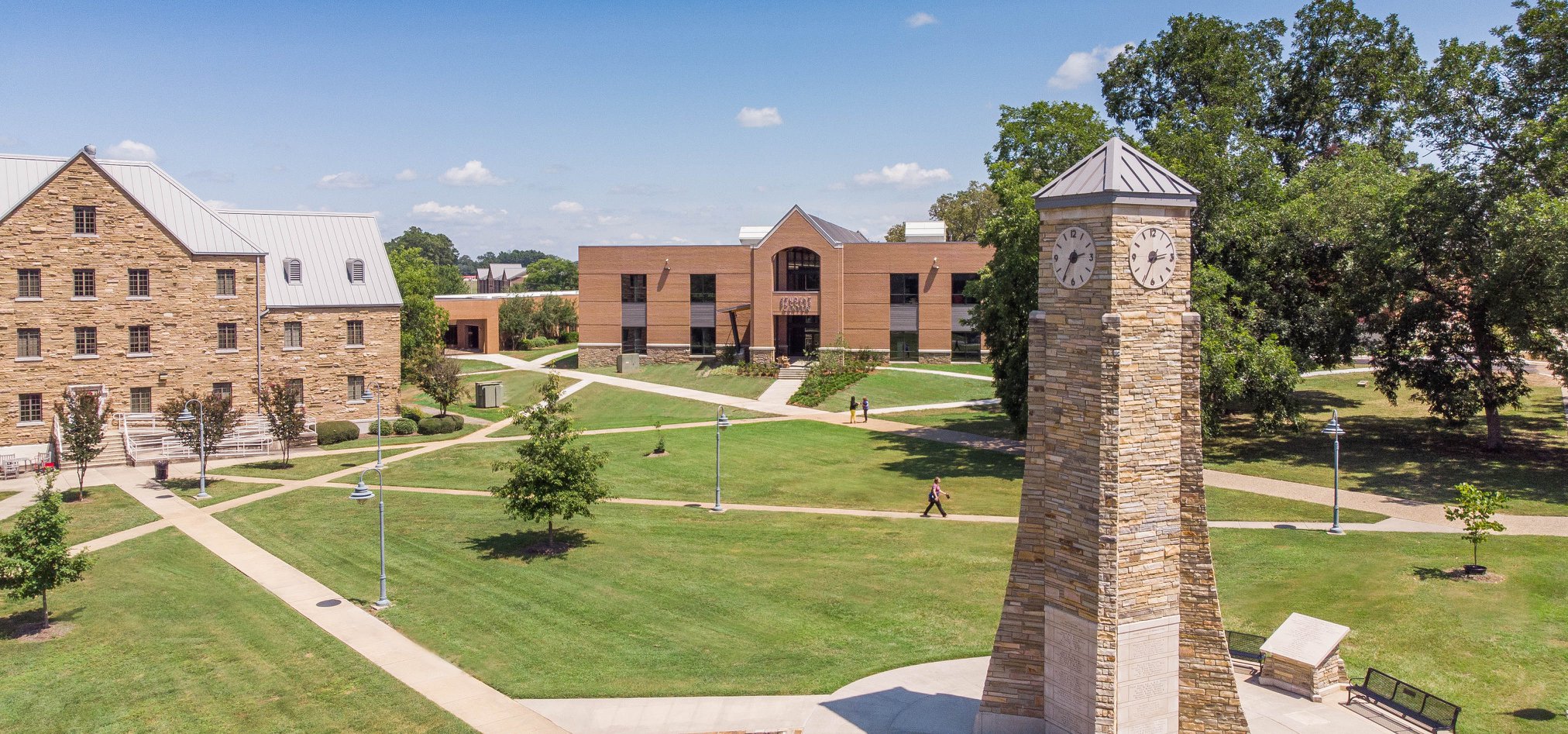
The University of Arkansas at Monticello (UAM) is an open-access regional university in rural Arkansas, where nearly all applicants are admitted—but only about half enroll. Known for its affordability and vocational programs (especially in education and business), UAM serves a largely local student body with a median post-graduation salary of $31k. Its defining feature is an unpretentious, community-college vibe with Division II athletics and a mascot (the Boll Weevils) that nods to the region’s cotton-farming history.
Admissions
UAM is among the least selective four-year universities in the U.S., with reported Acceptance rateThe share of applicants a college admits in a given year. A 10% acceptance rate means it admits about 1 in 10 applicants. ranging from 75% to 100% across sources—though the most recent data suggests it admits virtually all applicants. The school does not practice early decision or early action, and demonstrated interest is not a factor in admissions. With a YieldThe share of admitted students who actually choose to enroll. Colleges watch it closely, which is why some weigh how interested you seem. rate around 50% (per College Scorecard), UAM struggles to convert admitted students into enrollees, reflecting its role as a safety school for Arkansas residents. The average admitted student has an SAT score around 1120, though test scores are likely not a significant barrier given the open-access mission.
Sources
- Common Data Set - Office of Strategic Analytics & Insights
- Institutional Research - UAMont.edu
- [PDF] Common Data Set 2024-2025 - Office of Strategic Analytics & Insights
- Common Data Set: Home
- [XLS] Excel - Office of Strategic Analytics & Insights - University of Arkansas
- Researching Colleges With the Common Data Set
- University of Arkansas at Monticello SAT Scores and GPA
- University of Arkansas at Monticello Acceptance Rate | Clastify
- U of Arkansas Monticello acceptance rate and admissions profile
- University of Arkansas at Monticello - College - Niche
- University of Arkansas at Monticello [Acceptance Rate + Statistics]