Loading…
← All schools
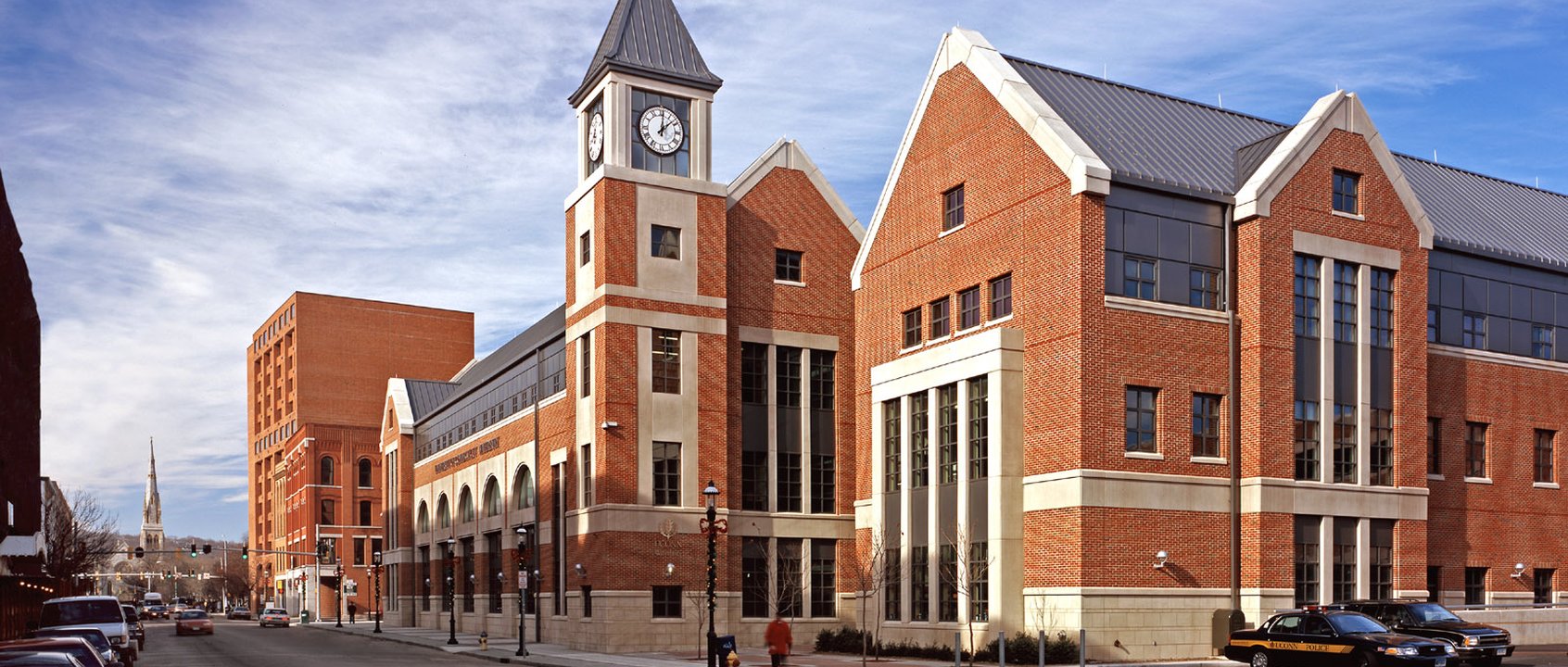
University of Connecticut-Waterbury Campus
Waterbury, CTpublicwaterbury.uconn.edu
- Acceptance rateThe share of applicants a college admits in a given year. A 10% acceptance rate means it admits about 1 in 10 applicants.
- 87%
- SAT 25th-75th percentileThe middle range of SAT scores for admitted students: a quarter scored below the low number and a quarter scored above the high number.
- 910–1200
- Undergrad enrollment
- 733
- Net priceWhat a family actually pays after grants and scholarships are subtracted from the sticker price — usually far less than the published cost.
- $10,875
- In-state tuition
- $18,140
- Out-of-state tuition
- $40,808
- Avg ACT
- 23
- Net Price
- $18,452
- Top Majors
- Business, Health Sciences, Social Sciences
- Avg SAT Range
- 910-1200
- Acceptance Rate
- 87%
- Graduation Rate
- 63%
- Avg Starting Salary
- $67,500
- Undergrad Enrollment
Quick answers
- What is the acceptance rate at University of Connecticut-Waterbury Campus?
- University of Connecticut-Waterbury Campus's acceptance rate is approximately 87% (Waterbury, CT), based on the most recent figures we compiled from public and primary sources.
- What SAT score do you need for University of Connecticut-Waterbury Campus?
- Admitted students at University of Connecticut-Waterbury Campus typically score 910–1200 on the SAT (the middle-50% range). Scores outside this band are still admitted, especially with strong applications.
- How much does University of Connecticut-Waterbury Campus cost?
- At University of Connecticut-Waterbury Campus, the average net price (after aid) is about $10,875 per year. Actual cost varies with financial aid and residency.
- How many undergraduates attend University of Connecticut-Waterbury Campus?
- University of Connecticut-Waterbury Campus enrolls approximately 733 undergraduate students.
- Where is University of Connecticut-Waterbury Campus located?
- University of Connecticut-Waterbury Campus is located in Waterbury, CT.
UConn Waterbury offers the prestige of a flagship public research university in an intimate, urban campus setting. With an 87% acceptance rate and strong outcomes (63% graduation rate, $67,500 average starting salary), it’s a practical choice for students seeking small classes and downtown access without sacrificing the UConn brand. The campus specializes in business, health sciences, and liberal arts, with degrees identical to those from the main Storrs campus.
Admissions
UConn Waterbury is decidedly more accessible than the flagship Storrs campus, with an 87% acceptance rate (versus Storrs’ 53.9%). The middle 50% SAT range for admitted students is 910-1200, and the average ACT is 23—significantly lower than Storrs’ 28-33 ACT range. While test scores are considered, the campus emphasizes accessibility for local students, with a focus on First-generation (first-gen)A student who would be the first in their immediate family to earn a four-year college degree. Many colleges consider this in context. and commuter populations. Notably, all applications are reviewed holistically, with no strict GPA or test score cutoffs.
Sources
- Common Data Set | Budget, Planning and Institutional Research
- [PDF] Common Data Set 2024-2025 - University of Connecticut
- University of Connecticut 2026 Common Data Set - GradGPT
- Common Data Set: Home
- Average GPA and test scores for UConn Storrs campus ... - Facebook
- How To Use a Common Data Set - The College Solution
- First-Year Applicants - UConn Admissions - University of Connecticut
- University of Connecticut - Waterbury Admissions & Acceptance
- Complete Guide: UConn SAT Scores and GPA - PrepScholar
- University of Connecticut-Waterbury Campus - Scholarships360