Loading…
← All schools
University of Nevada-Reno
Reno, NVpublicwww.unr.edu/
- Acceptance rateThe share of applicants a college admits in a given year. A 10% acceptance rate means it admits about 1 in 10 applicants.
- 74%
- SAT 25th-75th percentileThe middle range of SAT scores for admitted students: a quarter scored below the low number and a quarter scored above the high number.
- 1060–1290
- Undergrad enrollment
- 15,599
- Net priceWhat a family actually pays after grants and scholarships are subtracted from the sticker price — usually far less than the published cost.
- $15,927
- In-state tuition
- $9,578
- Out-of-state tuition
- $27,720
- Top Majors
- Psychology, Public Health, Biology, Criminal Justice
- Notable Fact
- No SAT/ACT required for admission
- Avg. ACT Range
- 19–26
- Campus Housing
- 19% of students
- Acceptance Rate
- 74%
- Annual Cost (Avg.)
- $15,927
- Student-Faculty Ratio
- 17:1
Quick answers
- What is the acceptance rate at University of Nevada-Reno?
- University of Nevada-Reno's acceptance rate is approximately 74% (Reno, NV), based on the most recent figures we compiled from public and primary sources.
- What SAT score do you need for University of Nevada-Reno?
- Admitted students at University of Nevada-Reno typically score 1060–1290 on the SAT (the middle-50% range). Scores outside this band are still admitted, especially with strong applications.
- How much does University of Nevada-Reno cost?
- At University of Nevada-Reno, the average net price (after aid) is about $15,927 per year. Actual cost varies with financial aid and residency.
- How many undergraduates attend University of Nevada-Reno?
- University of Nevada-Reno enrolls approximately 15,599 undergraduate students.
- Where is University of Nevada-Reno located?
- University of Nevada-Reno is located in Reno, NV.
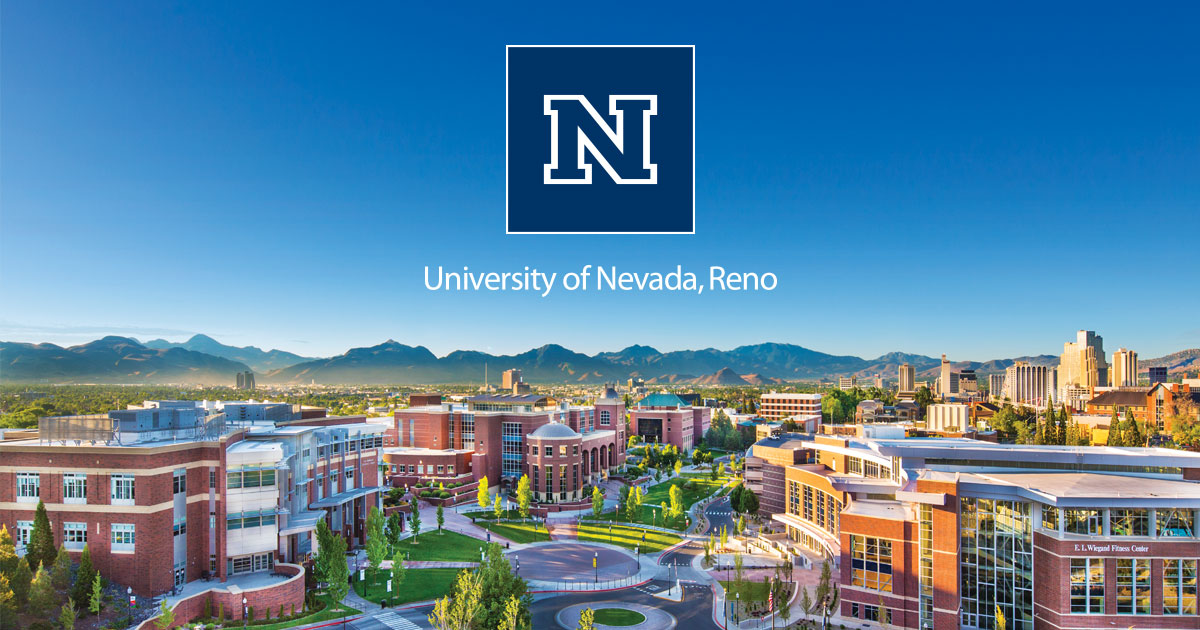
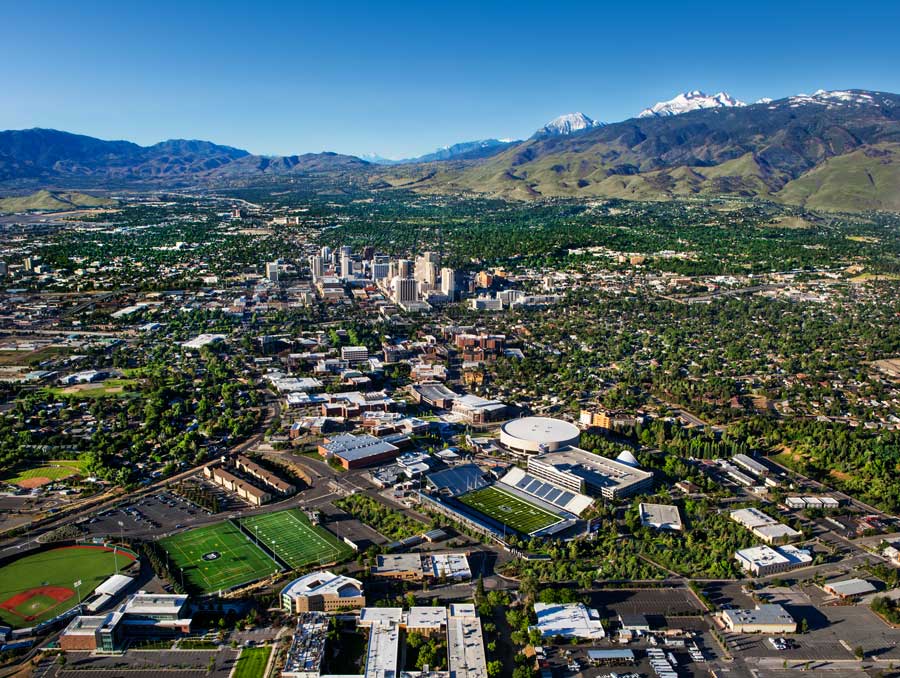
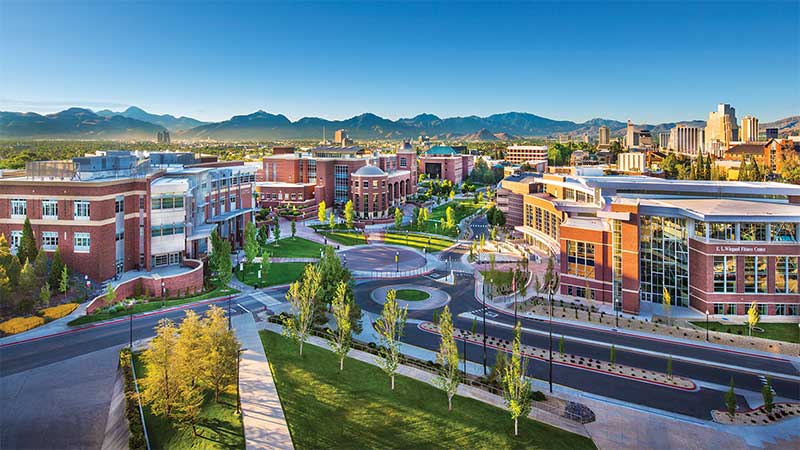
The University of Nevada-Reno is a public research university that blends accessibility with pockets of academic rigor, particularly in engineering, agriculture, and journalism. With a laid-back campus vibe and proximity to Lake Tahoe’s outdoor adventures, it attracts students who want a balance of academics and an active social scene—though its graduation rates lag behind national averages.
Admissions
UNR is moderately selective, with an Acceptance rateThe share of applicants a college admits in a given year. A 10% acceptance rate means it admits about 1 in 10 applicants. hovering around 74% (sources vary slightly between 73.7% and 88%). The university operates on an open-admission policy for in-state students but imposes selective criteria for out-of-state applicants and certain programs. Test scores (SAT/ACT) are not required for admission, though submitted scores typically fall within an ACT range of 19–26. GPA distribution skews toward solid but not elite academic performance: 28% of admitted students have a 3.75+ GPA, while 21% fall between 3.50–3.74. Notably, only 1.5% of admitted first-year students have GPAs below 2.5.
Sources
- Common Data Set (CDS) - University of Nevada, Reno
- [PDF] Common Data Set 2023-2024 - University of Nevada, Reno
- [PDF] Common Data Set 2024-2025 - University of Nevada, Reno
- Common Data Set Repository - College Transitions
- University of Nevada-Reno - IPEDS - Department of Education
- Common Data Set - GradGPT
- University of Nevada: Reno Admissions - BigFuture College Search
- University of Nevada, Reno SAT Scores and GPA
- University of Nevada--Reno Admissions - US News Best Colleges
- University of Nevada, Reno - Tuition and Acceptance Rate - Peterson's