Acceptance rateThe share of applicants a college admits in a given year. A 10% acceptance rate means it admits about 1 in 10 applicants.
52%
Undergrad enrollment
2,278
Net priceWhat a family actually pays after grants and scholarships are subtracted from the sticker price — usually far less than the published cost.
$10,990
In-state tuition
$5,354
Out-of-state tuition
$5,354
Net Price
~$16k/year
Avg SAT Range
930-1,220
Popular Major
Biomedical Sciences
Urban Setting
Ponce, PR
Acceptance Rate
52-56%
Graduation Rate
46%
Student-Faculty Ratio
21:1
Median Debt at Graduation
$6k
Quick answers
What is the acceptance rate at University of Puerto Rico at Ponce?
University of Puerto Rico at Ponce's acceptance rate is approximately 52% (Ponce, PR), based on the most recent figures we compiled from public and primary sources.
How much does University of Puerto Rico at Ponce cost?
At University of Puerto Rico at Ponce, the average net price (after aid) is about $10,990 per year. Actual cost varies with financial aid and residency.
How many undergraduates attend University of Puerto Rico at Ponce?
University of Puerto Rico at Ponce enrolls approximately 2,278 undergraduate students.
Where is University of Puerto Rico at Ponce located?
University of Puerto Rico at Ponce is located in Ponce, PR.
The University of Puerto Rico at Ponce is a mid-sized public university offering accessible education with a 52-56% acceptance rate and a strong focus on biomedical sciences. Known for its urban campus and vibrant student life, it balances academic rigor with Puerto Rican cultural pride, though graduation rates hover around 46%. Affordable tuition and solid post-grad earnings make it a practical choice for local students.
Admissions
With an Acceptance rateThe share of applicants a college admits in a given year. A 10% acceptance rate means it admits about 1 in 10 applicants. between 52% (US News) and 56.1% (PrepScholar), UPR Ponce is moderately selective, admitting roughly half its applicants. SAT scores for admitted students typically range from 930 to 1,220, while ACT scores fall between 17 and 25 (College Raptor). The university uses a rolling admissions policy, prioritizing applicants who meet baseline academic thresholds. Notably, it’s one of the few Puerto Rican institutions with a sub-60% acceptance rate, reflecting its standing as a more competitive option within the island’s public university system.
UPR Ponce offers 19 majors, with Biomedical Sciences as its most popular program (52 degrees awarded annually). The 21:1 student-faculty ratio (US News) leans toward larger classes, though a 78% freshman retention rate suggests solid student satisfaction. Graduation rates are modest at 46% (BigFuture), but this aligns with broader trends in Puerto Rico’s public higher education system. The curriculum emphasizes STEM and healthcare fields, leveraging the university’s ties to local medical institutions. Unlike its flagship Río Piedras sibling, Ponce’s academic offerings are more streamlined, focusing on undergraduate education with fewer graduate programs.
Life at UPR Ponce is deeply rooted in Puerto Rican culture, with urban Ponce providing a backdrop of festivals, music, and cuisine (CollegeXpress). Nearly all students commute, creating a campus vibe that’s more transactional than residential—only 1% live in university housing (US News). Students praise the strong sense of community and cultural pride (Niche), though some note administrative inefficiencies. The 2,319 undergraduates (BigFuture) engage in a mix of academic clubs and local traditions, with fewer Greek life or D1 sports compared to mainland U.S. schools. Proximity to beaches and the city’s historic district adds off-campus appeal.
Six years post-graduation, alumni earn a median salary of $22K, rising to $31K after ten years (Instudi). The 46% graduation rate (BigFuture) trails U.S. national averages but outperforms some Puerto Rican peers like Pontifical Catholic University-Ponce (42.5%). Debt at graduation is relatively low, with a median of $6K—well below mainland averages. Notably, Lumina Foundation reports a 40% increase in degrees awarded island-wide over two decades, suggesting broader improvements in Puerto Rican higher ed outcomes. For students staying local, UPR Ponce provides a cost-effective pathway to middle-class careers, particularly in healthcare.
Tuition is among Puerto Rico’s most affordable, with a net price of ~$16K/year after aid (College Factual). The average financial aid package totals $7,363 (Niche), heavily weighted toward grants over loans. Unlike mainland schools, UPR Ponce’s cost structure assumes most students will live at home—only 1% use campus housing (US News). The university participates in federal aid programs, and its Net priceWhat a family actually pays after grants and scholarships are subtracted from the sticker price — usually far less than the published cost. calculator helps families anticipate out-of-pocket costs. For context, median post-grad debt is just $6K, making this a low-risk investment for career-focused students.
UPR Ponce carves a niche as Puerto Rico’s most accessible STEM hub, combining low-cost tuition with strong biomedical training. Its urban-commuter model reflects the island’s cultural preference for family proximity, while the 52% Acceptance rateThe share of applicants a college admits in a given year. A 10% acceptance rate means it admits about 1 in 10 applicants. offers a realistic pathway for B+ students. Unlike flashy mainland colleges, it delivers practical value: minimal debt, solid local job prospects, and a curriculum tailored to Puerto Rico’s healthcare and tech sectors. The trade-off? Fewer resources than U.S. flagship universities, and graduation rates that underscore the challenges of serving a predominantly working-class student body.
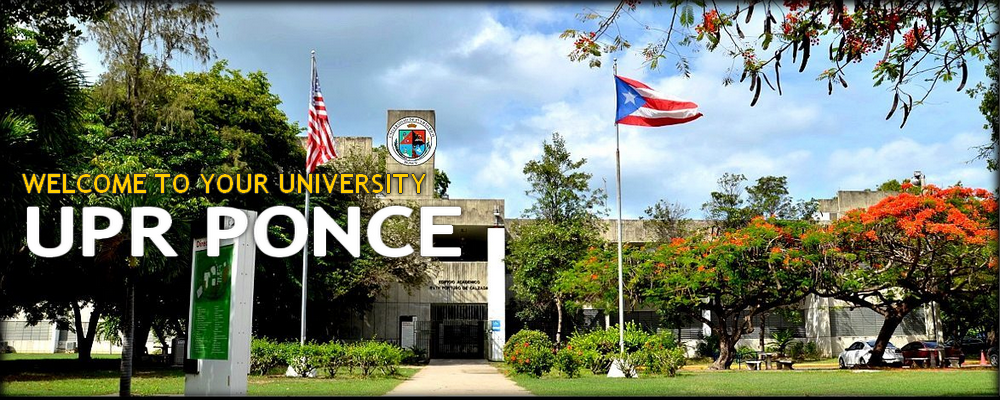
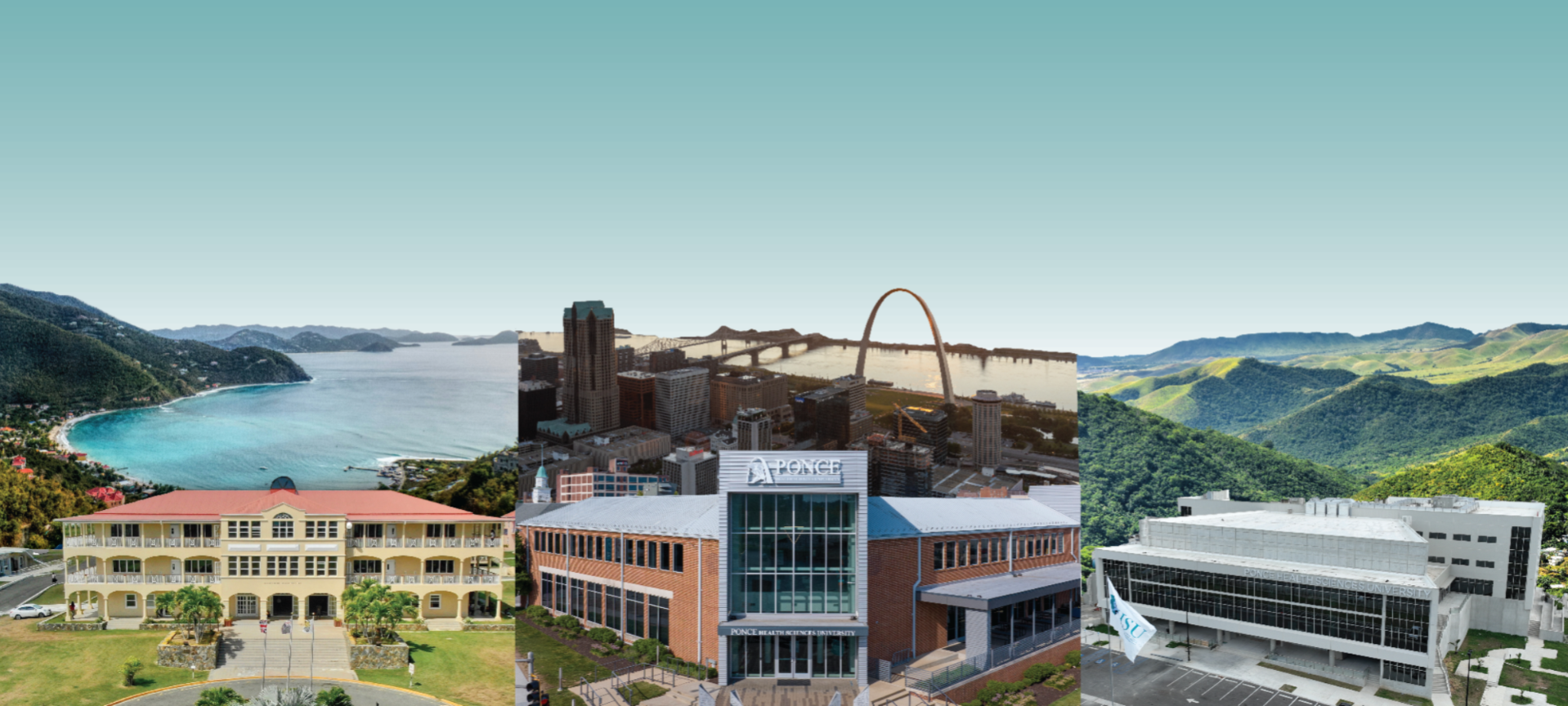
University of Puerto Rico at Ponce logo · sourceUniversidad de Puerto Rico en Ponce – ¡Rojo y Negro Siempre! · sourcePonce - Interamerican University of Puerto Rico · sourceLocations & Campus Visits | Ponce Health Sciences University · source
_y_PR-12%2C_Bo._Playa%2C_Ponce%2C_Puerto_Rico%2C_mirando_al_suroeste_(DSC02050).jpg?width=1600)