Loading…
← All schools
University of the Virgin Islands
Charlotte Amalie, VIpublicwww.uvi.edu/
- Acceptance rateThe share of applicants a college admits in a given year. A 10% acceptance rate means it admits about 1 in 10 applicants.
- 99%
- SAT 25th-75th percentileThe middle range of SAT scores for admitted students: a quarter scored below the low number and a quarter scored above the high number.
- 783–1030
- Undergrad enrollment
- 1,518
- Net priceWhat a family actually pays after grants and scholarships are subtracted from the sticker price — usually far less than the published cost.
- $7,469
- In-state tuition
- $5,957
- Out-of-state tuition
- $16,557
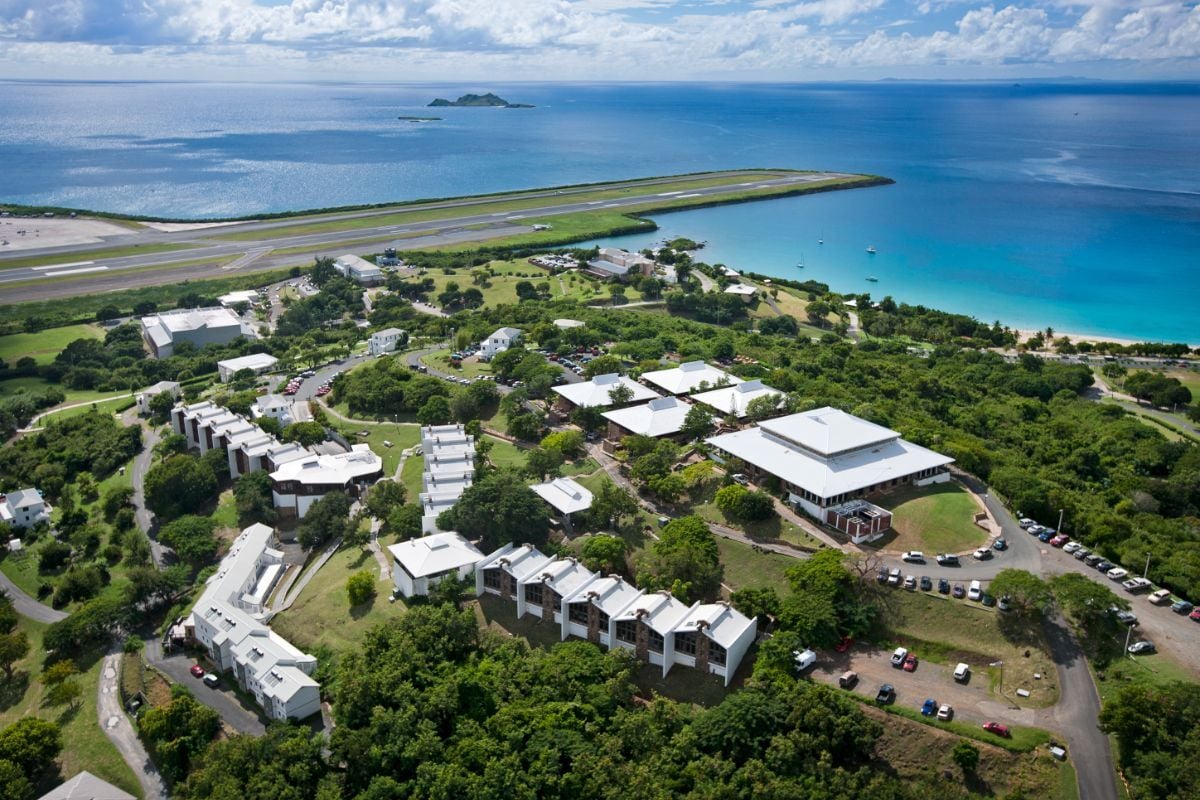
- Campus Size
- 175 acres
- Avg ACT Range
- 19–22
- Avg SAT Range
- 778–1018
- Acceptance Rate
- 99%
- Notable Facility
- Virgin Islands Caribbean Cultural Center
- Most Popular Major
- Psychology (6%)
- Net Price After Aid
- $9,909
Quick answers
- What is the acceptance rate at University of the Virgin Islands?
- University of the Virgin Islands's acceptance rate is approximately 99% (Charlotte Amalie, VI), based on the most recent figures we compiled from public and primary sources.
- What SAT score do you need for University of the Virgin Islands?
- Admitted students at University of the Virgin Islands typically score 783–1030 on the SAT (the middle-50% range). Scores outside this band are still admitted, especially with strong applications.
- How much does University of the Virgin Islands cost?
- At University of the Virgin Islands, the average net price (after aid) is about $7,469 per year. Actual cost varies with financial aid and residency.
- How many undergraduates attend University of the Virgin Islands?
- University of the Virgin Islands enrolls approximately 1,518 undergraduate students.
- Where is University of the Virgin Islands located?
- University of the Virgin Islands is located in Charlotte Amalie, VI.
The University of the Virgin Islands (UVI) is the Caribbean's most accessible public university, with a near-open admissions policy (99% acceptance rate) and a mission deeply rooted in serving the region's diverse population. Its strengths lie in marine biology, hospitality management, and Caribbean cultural studies, with a campus life that blends American and West Indian influences. While graduation rates lag behind national averages, UVI offers Virgin Islanders an affordable path to higher education—often with minimal tuition costs.
Admissions
UVI is one of the least selective four-year universities in the United States, admitting 99% of applicants—a rate consistent across multiple reporting sources. The middle 50% of admitted students who submit test scores fall within an SAT range of 778–1018 or an ACT range of 19–22, though test submission is optional. With an average admitted GPA of 3.2, the university serves primarily regional students; 93% receive financial aid. Contact information for the admissions office includes a toll-free number (1-877-468-6884) and a physical address at 2 John Brewers Bay in St. Thomas.
Sources
- Reports - University of the Virgin Islands
- [PDF] Common Data Set 2021-2022 - University of the Virgin Islands
- Common Data Set: Home
- [XLS] Common Data Set 2023-2024 - oia@unm.edu
- The Common Data Set: What It Is & How to Use It In College ...
- University of the Virgin Islands - Data USA
- University of the Virgin Islands Admissions - US News Best Colleges
- University of the Virgin Islands Admissions - BigFuture College Search
- University of the Virgin Islands Requirements for Admission
- University of the Virgin Islands [Acceptance Rate + Statistics]