Loading…
← All schools
Yeshiva Shaarei Torah of Rockland
Suffern, NYprivate nonprofitwww.yst.edu/
- Acceptance rateThe share of applicants a college admits in a given year. A 10% acceptance rate means it admits about 1 in 10 applicants.
- 37%
- Undergrad enrollment
- 152
- Net priceWhat a family actually pays after grants and scholarships are subtracted from the sticker price — usually far less than the published cost.
- $10,753
- In-state tuition
- $13,000
- Out-of-state tuition
- $13,000
- Founded
- 1977
- Location
- Suffern, NY
- Student Body
- All-male
- Acceptance Rate
- 36.7%
- Graduation Rate
- 35%
- Institution Type
- Private, Orthodox Jewish
- Average Net Price
- $18,501
- Single Major Offered
- Talmudic and Rabbinical Studies
- Financial Aid Recipients
Quick answers
- What is the acceptance rate at Yeshiva Shaarei Torah of Rockland?
- Yeshiva Shaarei Torah of Rockland's acceptance rate is approximately 37% (Suffern, NY), based on the most recent figures we compiled from public and primary sources.
- How much does Yeshiva Shaarei Torah of Rockland cost?
- At Yeshiva Shaarei Torah of Rockland, the average net price (after aid) is about $10,753 per year. Actual cost varies with financial aid and residency.
- How many undergraduates attend Yeshiva Shaarei Torah of Rockland?
- Yeshiva Shaarei Torah of Rockland enrolls approximately 152 undergraduate students.
- Where is Yeshiva Shaarei Torah of Rockland located?
- Yeshiva Shaarei Torah of Rockland is located in Suffern, NY.
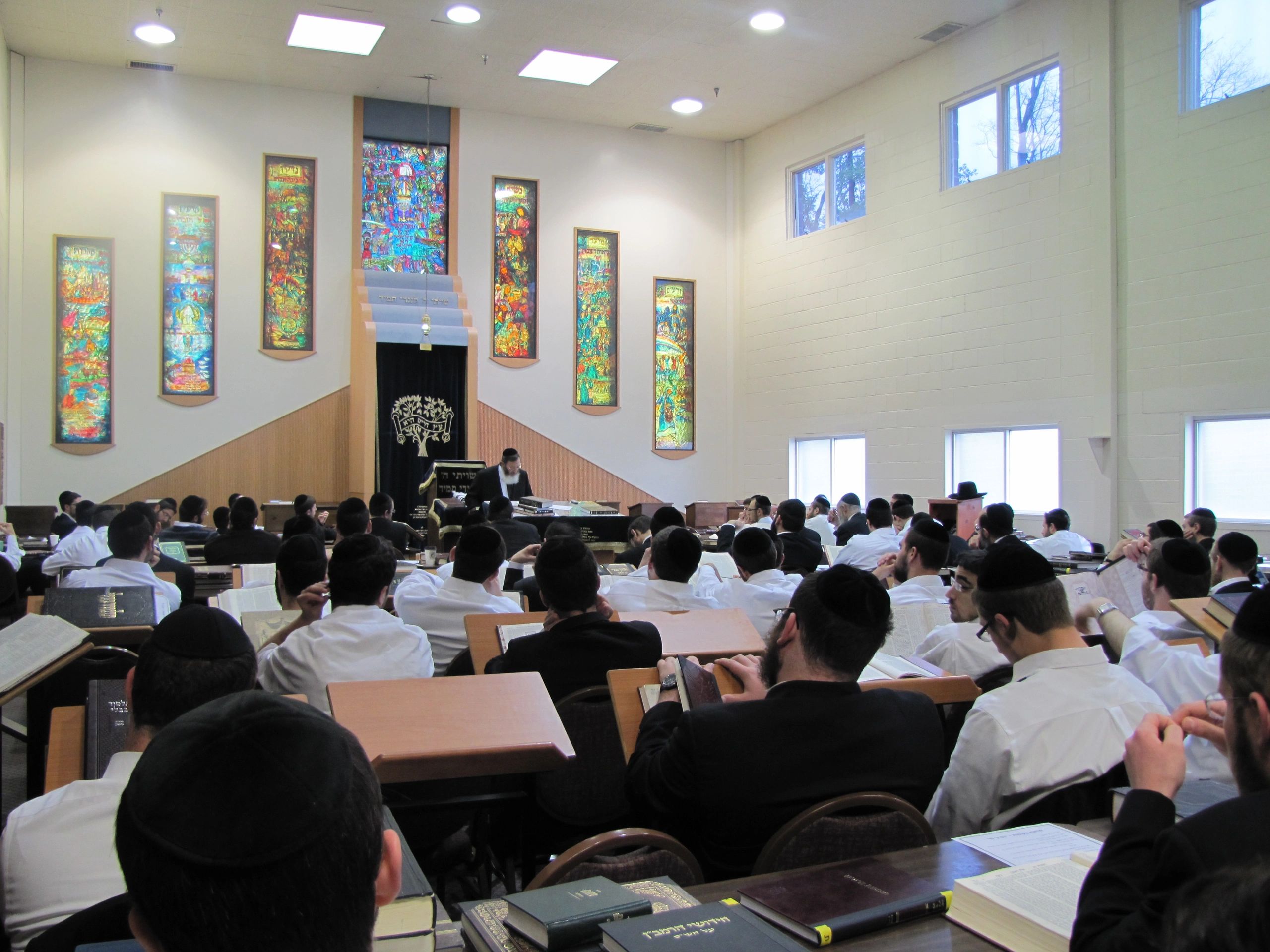
Yeshiva Shaarei Torah of Rockland is a small, Orthodox Jewish institution in Suffern, NY, laser-focused on Talmudic and Rabbinical studies. With a 36.7% acceptance rate and an all-male student body, it offers an intensely religious academic environment where students dive deep into Jewish law, ethics, and texts. The yeshiva prides itself on rigorous scholarship and a tight-knit community, though its narrow academic scope and modest graduation rates reflect its specialized mission.
Admissions
Yeshiva Shaarei Torah of Rockland maintains a moderately selective admissions process, with Acceptance rateThe share of applicants a college admits in a given year. A 10% acceptance rate means it admits about 1 in 10 applicants. hovering around 36.7% (sources vary slightly between 34.7% and 37%). In recent years, the number of applicants grew by 22.4%, suggesting increasing interest in the yeshiva. The student body is exclusively male, with 72.7% of admitted students enrolling. While the school doesn't publish specific GPA or test score requirements, it emphasizes openness to students of all racial and ethnic backgrounds—provided they're prepared for its singular focus on Jewish studies.
Sources
- Yeshiva Shaarei Torah of Rockland | EDsmart College Rankings 2026
- Yeshiva Shaarei Torah of Rockland | College Scorecard
- Yeshiva Shaarei Torah of Rockland Tuition and Financial Aid
- Yeshiva Shaarei Torah of Rockland - Data USA
- University of Bridgeport vs. Yeshiva Shaarei Torah of Rockland
- Yeshiva Shaarei Torah of Rockland Graduation Rate & Retention Rate
- Yeshiva Shaarei Torah of Rockland
- Yeshiva Shaarei Torah of Rockland Acceptance Rate - College Raptor
- Yeshiva Shaarei Torah of Rockland Requirements for Admission